in
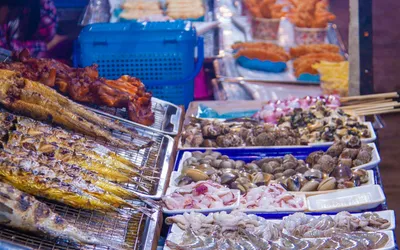
Yaowarat is Bangkok's Chinatown, and after dark its main road turns into one of the most famous street food streets in Asia. Gold shops and medicine stores from the daytime give way to wok flames, plastic stools and queues that spill onto the pavement. The choice can overwhelm first-timers, so here is where to start and how to do it right.
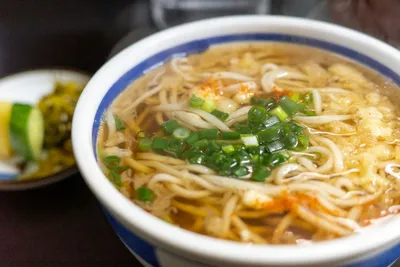
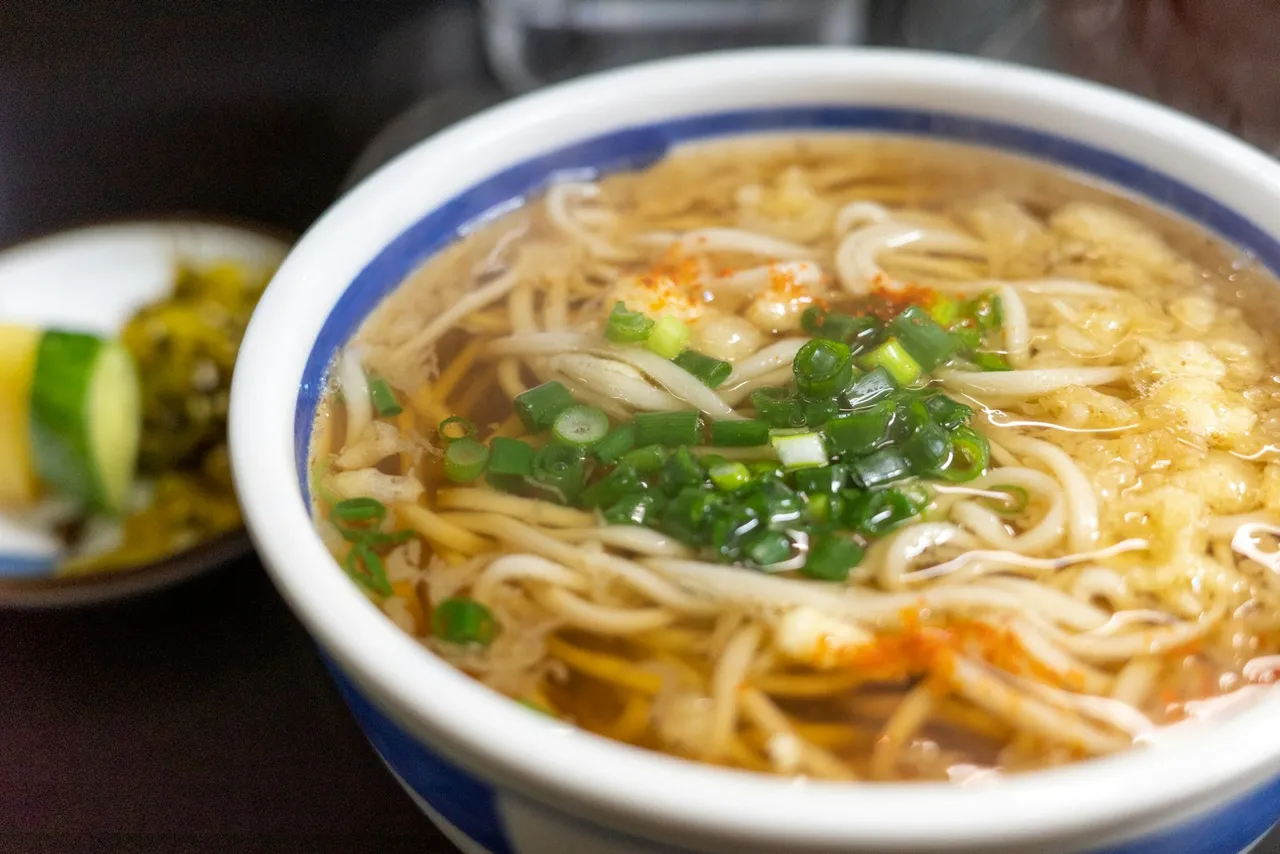
Nai Ek started as a pushcart over fifty years ago and now runs a shophouse that is busy from morning to midnight. The signature is guay jub: rolled rice noodles in a clear, aggressively peppery pork broth with crispy pork belly and offal. The Michelin Guide has listed the shop for years, and the line moves fast. If you only eat one bowl in Yaowarat, make it this one.
Yes, two guay jub shops, and locals argue about which wins. Ouan Pochana has served its version for over half a century and holds a Michelin Bib Gourmand. The broth here is gentler and clearer, the noodles rolled thin and silky. Try both on the same night and pick your side.
This Bib Gourmand stall does one thing with total focus: fried rice loaded with sweet chunks of crab meat, wok-smoked and seasoned simply so the crab leads. It is comfort food at its best and an easy stop between heavier dishes. Find it on Yaowarat Road near Woeng Nakhon Kasem.
A family stall with more than eighty years of history, Lim Lao Ngow is famous for springy homemade fishballs and rich egg noodles, another Bib Gourmand holder. Order a small bowl as a side quest rather than a main; portions elsewhere will compete for your stomach space.
T&K is the green-shirt seafood institution on the corner of Yaowarat Road and Phadung Dao Road. Grilled prawns, steamed crab and curry-flower crab come out fast to tables set right on the street. It is pricier than the stalls but still good value for the spectacle and the freshness. Expect a wait at prime dinner hours.
End the night with Thailand's answer to the doughnut. Pa Tong Go Savoey, a Michelin-listed stall, fries crisp golden dough sticks to order and serves them with pandan custard or condensed milk. Get a bag to walk with; they are at their best minutes out of the fryer.
If you go in the morning instead, start at Eiah-Sae, a heritage coffee shop that has been pouring strong Thai-Chinese coffee and toasting charcoal-grilled bread for generations. It is a calm, time-capsule counterpoint to the neon chaos of the evening street.
The street peaks from around 6 PM to late evening, and many famous stalls close on Mondays. Take the MRT to Wat Mangkon station and you exit right into the district; driving is not worth the parking fight. Bring cash in small notes, wear shoes you can stand in, and share dishes so you can cover more stops. To keep planning your food route across the city, browse restaurants by area on Aroi Restaurants before you go.