in
Eating out is one of the best parts of a trip to Thailand. Meals are relaxed, shared and built around rice, and most restaurants are happy to welcome visitors who are still learning the customs. Thais are usually forgiving when a visitor gets something wrong, but a few simple habits make the meal smoother and show respect to your hosts. This guide covers what to know before you sit down.
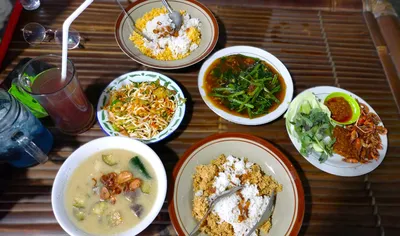
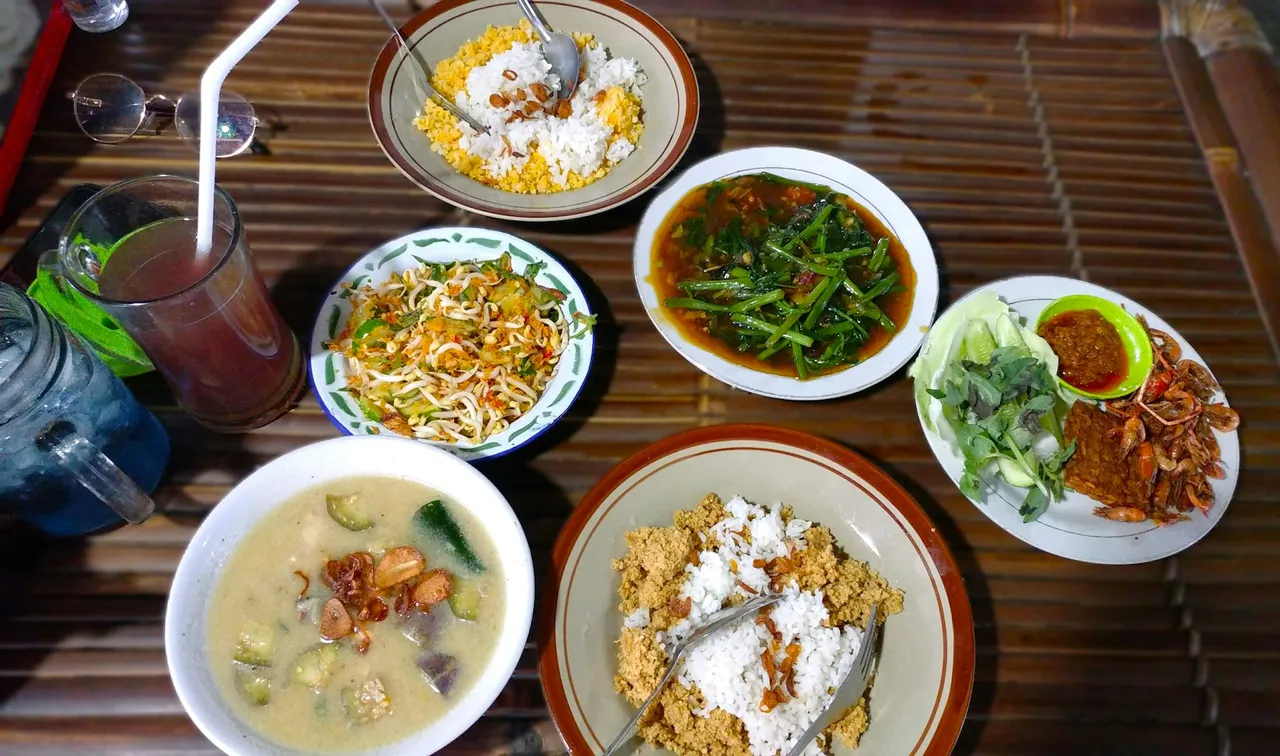
A Thai meal is a group meal. Several dishes are ordered for the table and placed in the middle, and everyone helps themselves. In central Thailand each person usually has a plate of steamed rice, and the other dishes are eaten a little at a time with it. Take a small portion from one dish, eat it with rice, then try another. Come back for more as the meal goes on instead of filling your plate at the start. If there is a serving spoon, use it rather than your own spoon.
The spoon is the main eating tool. Hold it in your right hand and use the fork in your left hand to push food onto the spoon. Only the spoon goes to your mouth. Most Thai food is served in bite-sized pieces, so a knife is rarely needed. Chopsticks are normally for noodle soups and Chinese-style restaurants, often together with a spoon for the broth. In the north and the northeast, sticky rice is often eaten by hand: take a small piece, roll it into a ball and use it to pick up some of the dish.
At street stalls and markets you usually pay the vendor directly, so carry small notes. In many restaurants, a "++" after a price means a service charge of 10% and VAT will be added to the bill. "Net" means they are already included. Check your bill before you decide on a tip. Tipping is not expected at street stalls, and where a service charge is already on the bill, an extra tip is up to you. If a Thai friend or host insists on paying, thank them and offer to pay next time.
Popular restaurants, rooftop bars and fine dining rooms can fill up, especially at weekends and in the high season. See our step-by-step guide to booking a restaurant table in Bangkok, or browse where to eat to find a place.
You do not need to memorise every rule. Share dishes, use the spoon, check the bill and stay relaxed. Those four habits cover most situations at a Thai table.