in
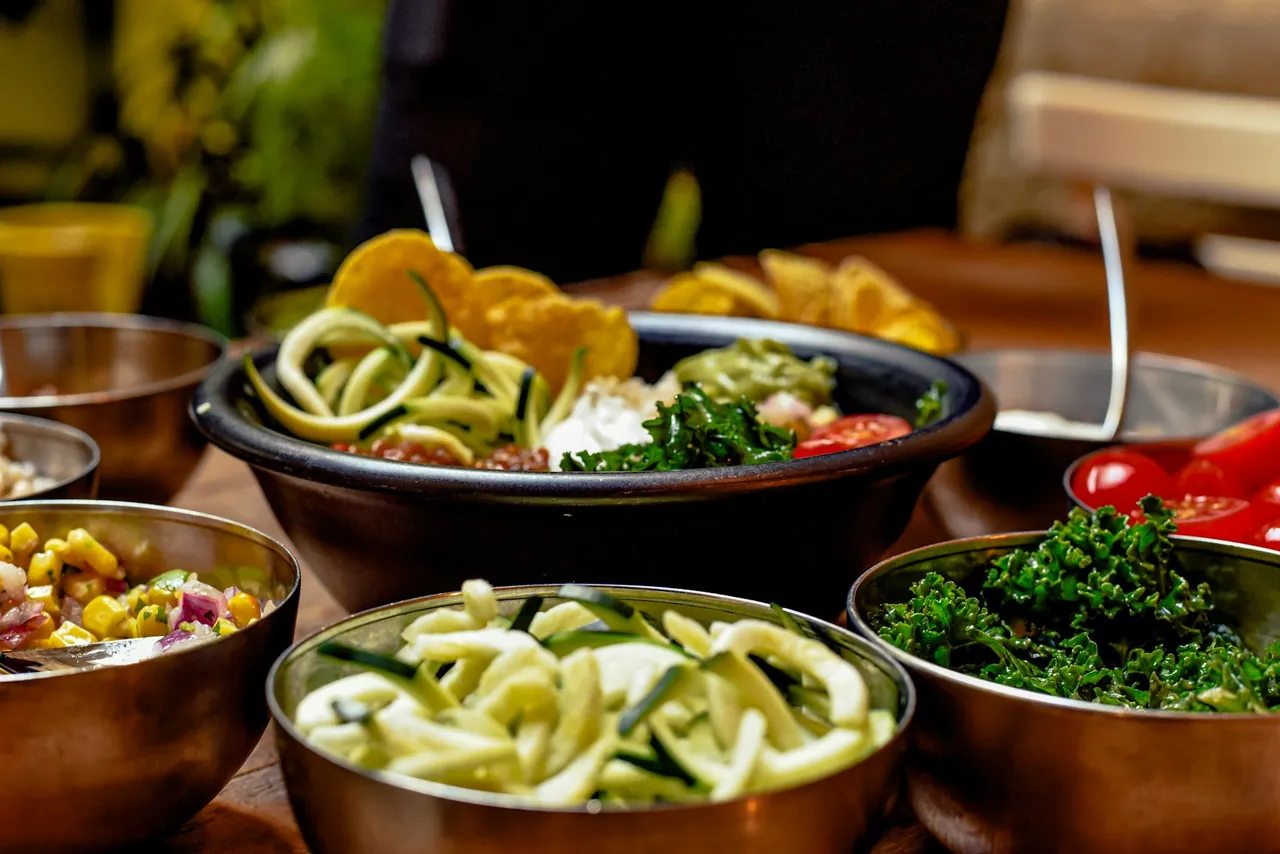
You can eat well in Bangkok as a vegetarian, vegan or Muslim visitor. The city has plant-based cafes, Thai-Muslim restaurants and many places that cook to order. The main challenge is knowing what the words on a menu really mean, because ordinary Thai cooking often uses fish sauce, shrimp paste or oyster sauce. This guide explains the labels to look for and the phrases to use.
Jay (เจ) food is the Thai Buddhist vegan tradition. Stalls and restaurants that serve it usually fly a yellow flag with red Thai letters. Jay food avoids meat, fish and dairy. It also traditionally avoids strong-smelling vegetables such as garlic and onions. The flags appear all year, and you will see many more of them during the annual vegetarian festival.
The word "vegetarian" on a menu can mean different things. Some dishes labelled vegetarian still contain egg, dairy, fish sauce or oyster sauce. If you want to avoid these, tell the staff clearly.
Showing a short written note in Thai is the safest way to be understood.
Bangkok has a long-established Muslim community, and halal restaurants are found across the city. Some are halal-certified, often in hotels and larger restaurants. Others are Muslim-owned and serve halal food without formal certification. Look for the halal sign or logo on the door or menu, and ask the staff if you are unsure. Thai-Muslim cuisine is worth seeking out for dishes such as massaman curry and roti with curry.
If you are travelling with a group that has different needs, a booking helps. Tell the restaurant about dietary needs when you reserve, so the kitchen can prepare. See our guide to booking a table in Bangkok. For more ideas, read our list of top vegan restaurants in Bangkok.
Look for the yellow jay flag, learn three or four phrases, carry a note in Thai and ask when you are unsure. With those habits, eating plant-based or halal in Bangkok is straightforward.