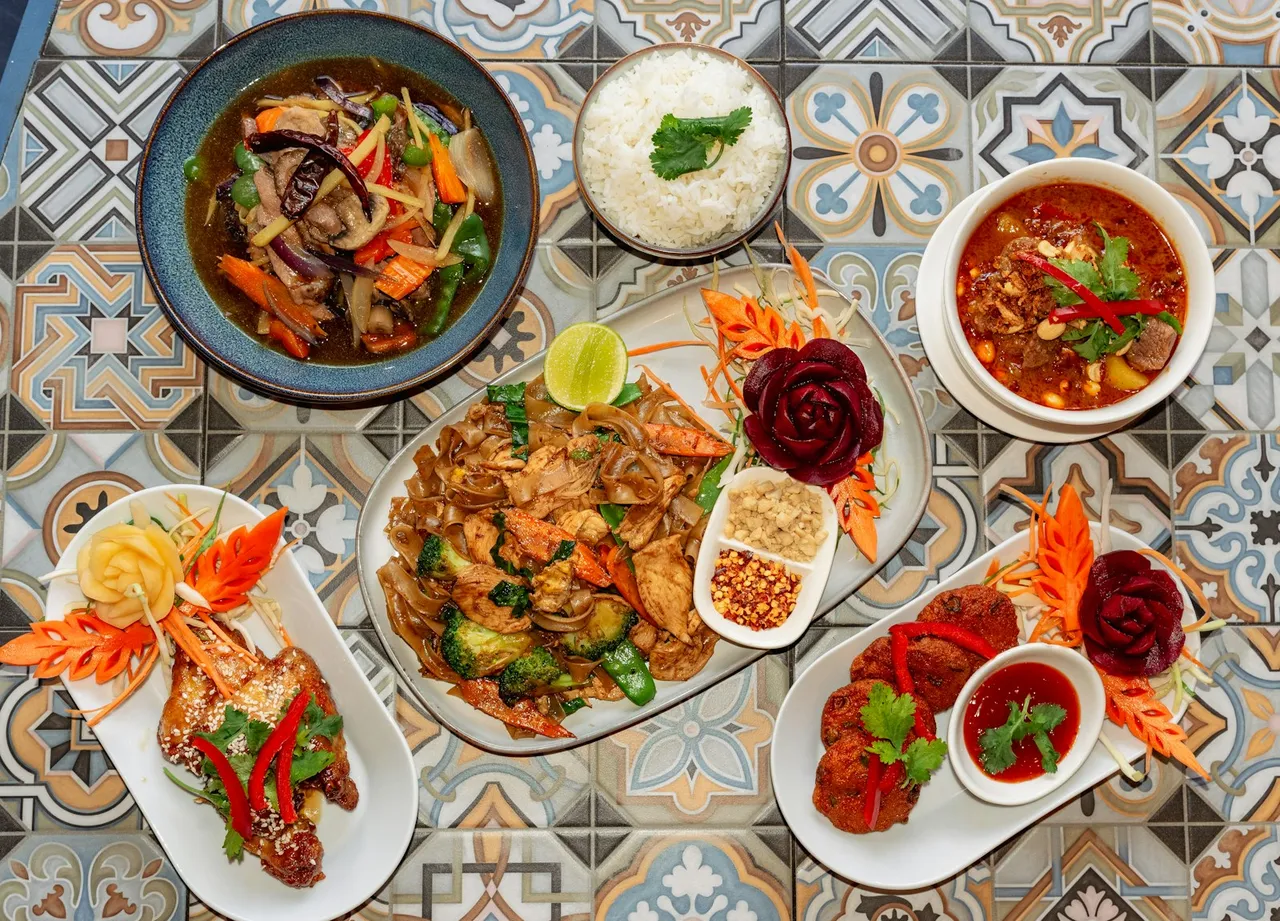
Every year brings a new wave of food trends, and 2026 is no different. For a Thai restaurant owner, trends are not about chasing every fad. They are signals of what guests will ask for next. This guide rounds up the directions shaping Thailand's dining scene in 2026, based on what delivery platforms, industry reports and Bangkok's own dining rooms are showing, and turns them into practical menu and marketing decisions.
Regional Thai food moves to the front
Diners in Thailand are looking beyond the standard central-Thai menu. Southern dishes like gaeng som and khao yam, Isan staples beyond som tam, and Northern specialties are appearing on more Bangkok menus, and Thailand's MICHELIN Guide has increasingly recognized regional cooking, including its first starred restaurants outside Bangkok and Chiang Mai.
What to do: pick one or two regional dishes your kitchen can execute well and give them a visible place on the menu. Guests increasingly treat a regional specialty as a reason to visit.
Plant-based options become standard
Plant-based eating in Thailand is no longer a niche for the annual Vegetarian Festival. International visitors and younger Thai diners increasingly expect at least a few thoughtful meat-free dishes, and many mixed groups now choose restaurants based on whether everyone at the table can eat well.
What to do: you do not need a full vegan menu. Two or three strong plant-based dishes, clearly marked, make your restaurant an easy choice for mixed groups and they cost little to add.
Drinks become a real revenue line
Specialty coffee, Thai tea variations, craft sodas and low- or no-alcohol drinks are growing across Bangkok's dining scene. A distinctive drink menu lifts the average bill with margins that food rarely matches, and it gives guests a reason to visit outside meal hours.
What to do: start with two or three signature drinks that photograph well and fit your concept. Train staff to suggest them by name instead of asking a generic 'anything to drink?'
Sustainability stops being optional
Guests increasingly notice where food comes from and how much is wasted. Local sourcing, seasonal specials and visible efforts to cut food waste all feed into how a restaurant is perceived, and they often reduce cost at the same time.
What to do: start with one visible step, such as a seasonal special built around local produce or a plan for surplus food, and talk about it on your social channels.
The story around the food matters more
Open kitchens, chef stories and dishes designed to be shared on social media continue to shape how people choose where to eat. Guests are buying the experience around the plate as much as the plate itself.
What to do: give one dish or one corner of your restaurant a story worth telling, then tell it consistently on Google Maps, LINE and your social channels.
How to use this list
Do not try all five. Pick the one trend that fits your concept and your kitchen, test it as a special for a month, watch how guests respond, and keep it only if it earns its place. A trend adopted well is a growth lever. A trend adopted badly is just extra cost.