Customers decide whether to walk into a restaurant in seconds, long before they taste the food. The good news for Thai owners: you do not need a famous designer or a six-figure renovation to make a room that pulls people in and earns its place on their feeds. Most of what works costs less than a month of rent. Here is where to spend, and where to save.
Light for appetite first, photos second
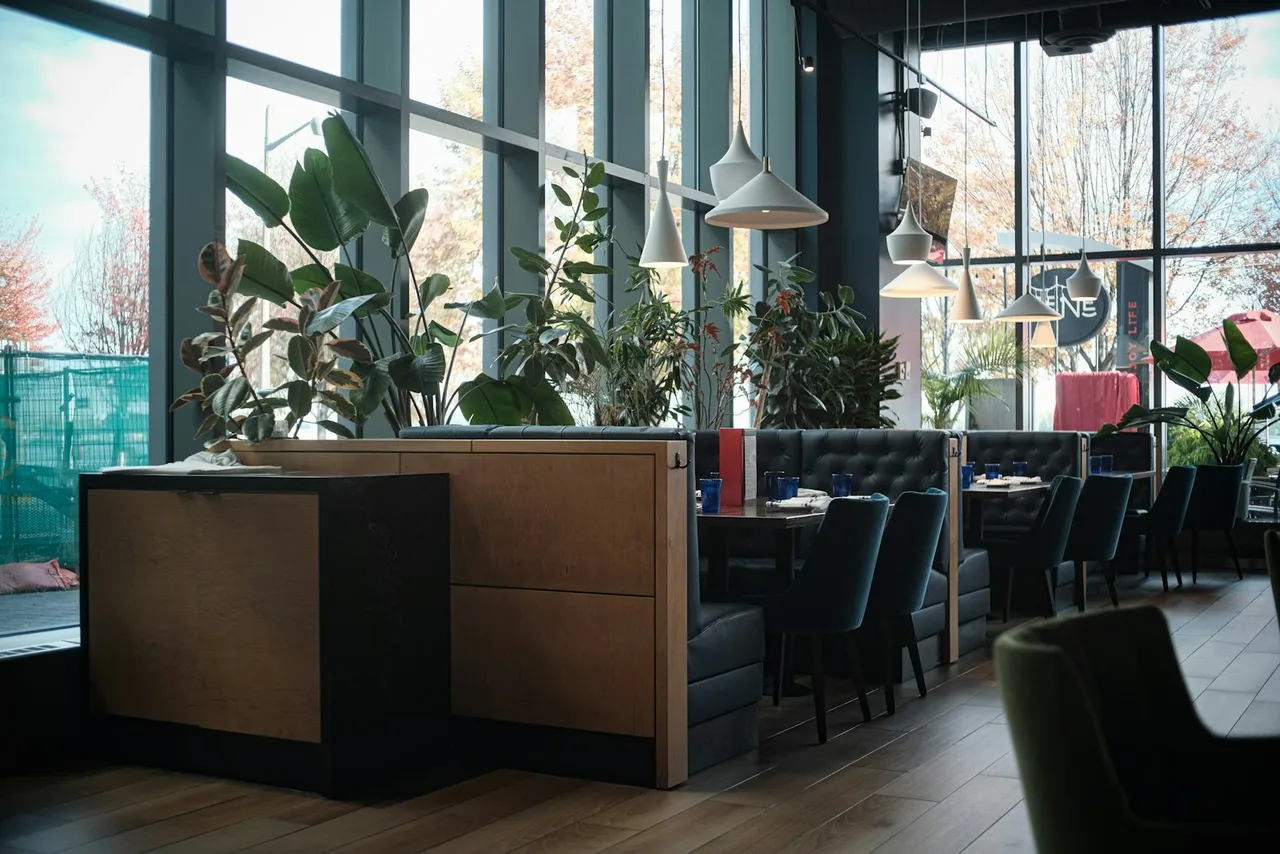
Lighting does more for a dining room than any other single change. Warm bulbs around 2700-3000K make food look rich and faces look good, while cold white light flattens both. Put one gentle light source over each table so every dish gets its moment, and keep the room around it slightly dimmer. This setup costs little and instantly makes every customer's photos better, which is free marketing every night.
Paint is your cheapest transformation
A single accent wall in a confident color changes how a whole room feels for the price of a weekend and a few liters of paint. Deep greens and warm terracottas read as premium in photos and pair well with wood and plants, which most Thai restaurants already have. Keep the other walls light so the space stays airy.
Give every seat a reason to exist
Rooms feel designed when zones are clear. Use furniture arrangement, a rug, a plant cluster or a change in lighting to separate the waiting area, two-top window seats and group tables. Moving what you already own costs nothing. If guests instinctively know where to wait and where to sit, the room feels intentional.
Build one photo corner, not ten
One well-made corner beats a room full of half-efforts. Pick a spot with good natural or warm light, add a plant wall, a rattan screen, a neon-free art piece or a simple shelf of Thai ceramics, and keep it clean and uncluttered. Customers will find it, photograph it and tag you. Skip generic neon slogans; they date quickly and say nothing about your food.
Plants: high impact, low budget
Thailand's climate makes greenery one of the cheapest design materials available. Trailing pothos, monstera and ferns soften hard surfaces and cool a room visually for a few hundred baht. Group them at different heights rather than lining them up, and choose low-maintenance species that survive an air-conditioned room.
Let Thai identity do the decorating
Banana-leaf textures, khlong boats, temple motifs and local ceramics give a restaurant a sense of place that imported minimalism cannot. Secondhand markets and local makers sell these pieces cheaply, and they photograph beautifully. A few authentic objects with breathing room around them look curated; a wall covered in souvenirs looks cluttered.
Spend where customers touch
If the budget forces choices, spend on the things guests physically contact: chairs that stay comfortable for an hour, solid tables that do not wobble, and clean, well-lit restrooms. Customers forgive plain walls. They do not forgive a sticky table or a broken chair. A comfortable room with simple decor earns repeat visits, and repeat visits are where the real return on any decoration budget shows up.