In the competitive landscape of the Thai food and beverage industry, there is a dangerous misconception: "Going Green destroys margins."
Many owners believe that sustainability requires expensive imported biodegradable packaging, solar panels on the roof, or organic ingredients that cost three times more. In today's landscape, this view is obsolete.
True sustainability in a kitchen isn't about buying expensive eco-products; it is about efficiency. It is about ensuring that every baht spent on ingredients ends up on a customer's plate, not in a trash bag.
With ingredient costs in Thailand rising—from imported beef to local limes during the dry season—sustainability has evolved from a marketing buzzword into a financial necessity. This article explores how "Zero-Waste" and eco-friendly setups are actually your most powerful tools for controlling Cost of Goods Sold (COGS) and surviving the current economic climate.
The Double Penalty: Why Waste is Killing Your P&L
Before we discuss saving the planet, let’s talk about saving your profit and loss (P&L) statement.
The food service sector generates thousands of tons of organic waste daily. For a restaurant owner, this waste represents a double penalty:
- You pay for the ingredient: You bought the vegetable or meat.
- You pay to throw it away: Waste disposal fees are rising, and labor is required to manage it.
The "Over-Portioning" Trap
Thai hospitality culture often mistakes "generosity" for value. However, unmeasured generosity leads to "Plate Waste"—food left behind by the customer. If your Pad Kaprao portion is 20% larger than the average customer can eat, you are essentially throwing 20% of your pork inventory into the trash.
The Energy Drain
Thailand is a tropical country. The cost of electricity, particularly for air conditioning and refrigeration, is one of the highest fixed costs after rent and labor. An inefficient kitchen setup doesn't just hurt the environment; it bleeds your cash, especially during the peak summer months.
Sustainability is simply the practice of plugging these financial leaks.
The Mechanics of "Profit-First" Sustainability
How do we turn environmental responsibility into a cost-saving mechanism? There are three main pillars: Ingredients, Energy, and Disposables.
1. Root-to-Stem Cooking
In traditional Thai cuisine, we are already halfway there. We use coriander roots for curry pastes and shrimp heads for Tom Yum stock. However, modern kitchens often prioritize speed over yield, leading to excessive trimming.
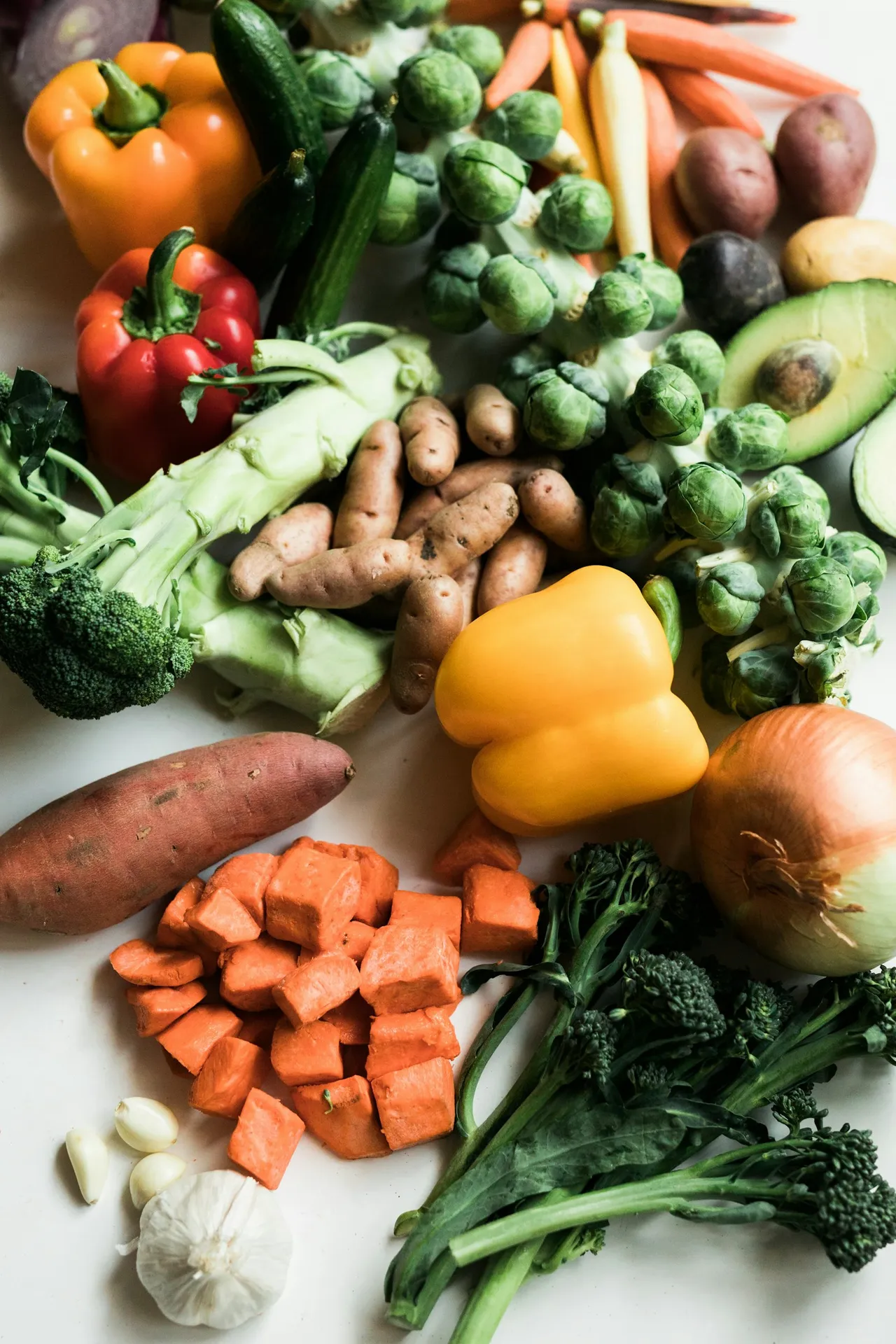
- Math: If you buy broccoli at 80 THB/kg and throw away the stalk for 40%, your actual cost is not 80 THB, your actual cost rises to approximately 133 THB/kg.
- Fix: Sustainable cooking means that the stalk must be peeled and used in stir-fries or soups, bringing the yield back up to 90%+ and lowering your actual cost per plate.
2. Local vs. Imported
While the Baht is currently strong making imports cheaper, relying exclusively on them is still risky due to global supply chain volatility. Moreover, the strong Baht has hit Thai exporters hard, leaving a surplus of premium local ingredients available domestically at excellent prices. Many owners are pivoting to these export-grade local goods to support the local economy while securing high quality.
- Shift: Sourcing premium local ingredients (e.g., Thai Wagyu from Sakon Nakhon or coffee beans from Chiang Rai) reduces logistics costs and carbon footprint. It also protects your menu pricing from currency fluctuations.
3. Energy Audits
A dirty condenser coil on a commercial fridge forces the compressor to work 30% harder. In a humid Thai kitchen environment, grease builds up rapidly.
- Fix: Regular maintenance isn't just about hygiene; it's energy efficiency. Replacing old gaskets on fridge doors keeps cold air in and lowers the electricity bill immediately.
Practical Strategies for Cost Reduction
Here is an actionable checklist to implement sustainable practices that lead to lower costs immediately.
Menu Engineering for Cross-Utilization
Never buy an ingredient for just one dish. If you buy fresh mint for a specific cocktail, it must also appear in a salad or a dessert.
- Action: Audit your purchasing list. Identify "orphan ingredients" (items used in only one low-selling dish). Either create new uses for them or eliminate the dish.
The "First-Expired, First-Out" (FEFO) Rule
Most kitchens use FIFO (First-In, First-Out). However, in Thailand’s heat, produce ripens unpredictably.
- Action: Shift to FEFO (First-Expired, First-Out). If the delivery from Tuesday is ripening faster than the delivery from Monday due to heat exposure during transport, use Tuesday’s batch first. This reduces spoilage significantly.
Digital Over Paper
Paper costs add up—menus, receipts, order tickets.
- Action:
- Use QR Code menus.
- Email receipts to customers (captures data for CRM).
- Use Kitchen Display Systems instead of printing tickets.
Water Flow Restrictors
Commercial dishwashing consumes massive amounts of water.
- Action: Install low-flow spray valves for the pre-rinse station. They cost little but can cut water usage by 50% without reducing cleaning pressure.
Sustainability in Action
The Seafood Restaurant
- Problem: The restaurant was discarding 5kg of fish bones and heads daily after filleting Snapper for Western-style steaks.
- Sustainable Solution: The chef introduced a "Spicy Sour Fish Head Soup" (Tom Yam Hua Pla) as a lunch special.
- Result: The "waste" turned into a high-margin menu item. The cost of the main ingredient was effectively zero because it was already paid for by the steak dish.
The Specialty Cafe
- Problem: High spoilage of imported berries used for decoration on cakes.
- Sustainable Solution: The cafe switched to seasonal Thai fruits and dehydrated fruits that were about to spoil, using them as garnishes and tea infusions.
- Result: Ingredient costs dropped by 15%, and the "Seasonal Menu" became a marketing hook.
The Buffet Line
- Problem: Customers taking too much food, leading to massive plate waste.
- Sustainable Solution: The restaurant reduced the size of serving spoons and plates by 10%. They also implemented a fine for leftover food.
- Result: Food consumption dropped by 8% with no complaints about customer satisfaction.
3 Strategic Shifts for Scale
For owners looking to scale these practices, consider these high-level insights:
- Inventory is Cash: Treat your fridge like a bank vault. Every rotting tomato is a 10 baht coin you are throwing away.
- Marketing Leverage: Thai consumers, especially Gen Z, prefer eco-conscious brands. Don't just save costs—shout it out. Put "Zero-Waste Kitchen" on your social media. It justifies your price point.
- Staff Buy-In: Your staff controls the waste. If they don't care, your strategy will fail. Incentivize them. If the team keeps food cost below the healthy standard of 32%, share a percentage of the savings as a monthly bonus for staff.
Data-Driven Sustainability
Sustainability requires data. You cannot reduce what you cannot measure. This is where a system like Aroi becomes a sustainability tool, not just a reservation system.
- Predictive Preparation: By using Aroi’s reservation data to forecast guest counts accurately, allows your kitchen to prep exactly what is needed for Friday night. This prevents the "just in case" over-prepping that leads to spoilage.
- Paperless Operations: Aroi handles reservations, CRM, and customer data digitally, eliminating the need for logbooks and paper registration forms.
- Customer Preferences: If Aroi’s CRM notes that a VIP guest always leaves the side salad untouched, your staff can politely ask to remove it before serving. This improves service personalized to the guest and eliminates specific plate waste.
Sustainability Is Profitability
Sustainability is no longer about expensive certifications or buying carbon credits. For restaurant owners, it is about operational excellence.
It is the discipline of maximizing yield, controlling energy, and using data to predict demand. By adopting these "Zero-Waste" and eco-friendly setups, you aren't just helping the environment—you are building a leaner, more profitable business model that is resilient against rising costs.
Audit your garbage bin tonight. What are you throwing away? That is your starting point for lowering your costs.