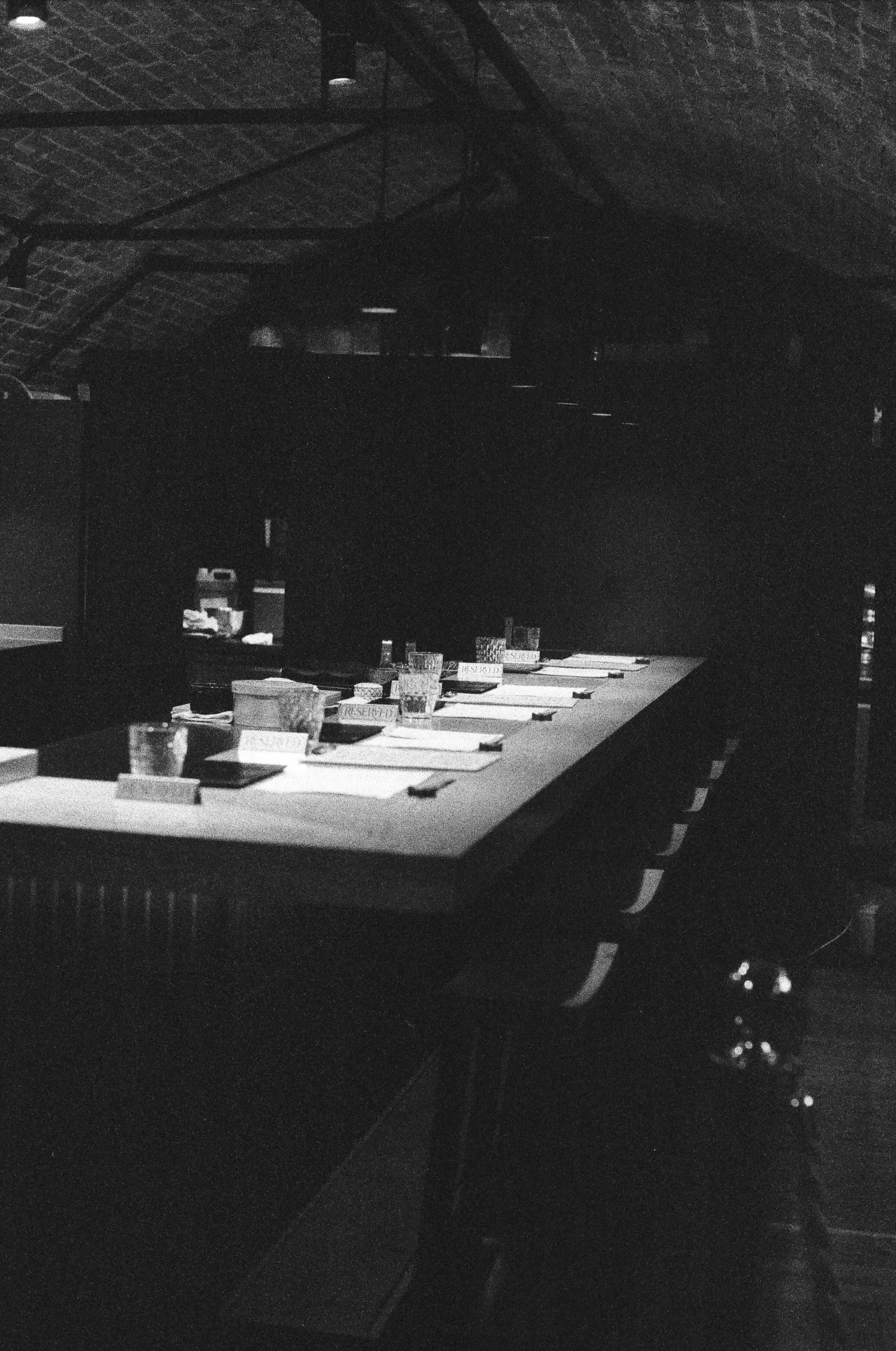
It is Friday night. The tables are fully booked. Your kitchen has prepared 5kg of premium Wagyu beef. You hire extra part-time staff to stand by.
7:00 PM comes. Three tables are empty.
7:15 PM. You call the customers. No answer.
7:30 PM. You realize they aren't coming.
By the time you release the table to walk-ins, you have lost the prime dinner turn. That Wagyu beef is now wasted, and your staff are standing around checking their phones.
For customers, skipping a reservation feels like a minor problem. For you, it’s not. It steals your inventory, your labor hours, and your profit margin.
In 2026, with ingredient costs at an all-time high plaguing Bangkok and Phuket, you can no longer be relaxed about no-shows. The era of the "handshake agreement" booking is over. It is time to secure your revenue.
This guide will walk you through the steps to reduce no-shows by using modern tech, psychology, and firm policy.
The "Ghosting" Epidemic: Why Thai Diners Don't Cancel
Why is this problem so bad in Thailand specifically?
1. The "Option Booking" Culture
In Bangkok, traffic is unpredictable. Groups of friends often book different restaurants in different areas and decide where to go at 6:00 PM based on the traffic. Then, they ghost the other two. To them, it's efficient. To you, it's a disaster.
2. The Fear of Confrontation
Thai customers often feel afraid to call and cancel. They fear that you will be angry or ask why. So, they choose the path of silence. They block your number or ignore your Line messages.
3. The Economic Impact
Let’s do the math for a standard 60-seat casual dining venue:
- Average Ticket: 800 THB.
- Table of 4 No-Show = 3,200 THB Revenue Lost.
- If this happens just 3 times a week = 499,200 THB lost per year.
- That is half a million baht.
The 3-Layer Defense: How to Stop "No-Shows"
You cannot completely stop no-shows because emergencies might happen anytime, but you can stop the "casual" ones. In order to do that, you need a 3-step defense system.
Layer 1: The Psychological Commitment
The moment a customer pays even 100 THB, their brain shifts from "Maybe I'll go" to "I have paid for this, so I have to go."
- In 2026, requesting a deposit is no longer "rude." It is a standard practice for Omakase, Fine Dining, and even busy Rooftop Bars.
- Use PromptPay. It’s frictionless. Asking for a credit card number over the phone scares most people.
Layer 2: The Confirmation Loop
Never rely on a booking made 2 weeks ago.
- 24 Hours Before: Send an automated message via Line OA or SMS. "Confirm" or "Cancel" button.
- The "Call Center" Problem: Do not rely on phone calls. In 2026, most Thais ignore unknown numbers due to the call center scams. A Line message is far more likely to be read than a phone call is to be answered.
Layer 3: The Grace Period & Policy
You must define your rules clearly.
- "We hold the table for 15 minutes. After that, we release it."
- This must be stated at the time of booking, not when they are late.
Smart Implementation: Balancing Customer Friction and Business Security
Here is your implementation roadmap.
1. The "Group Size" Rule
You don't need a deposit for a table of 2 on a Tuesday. That creates too much friction.
- Policy: "Deposits are required for groups of 6 or more, or for any booking on Friday/Saturday nights."
- Amount: 500 THB per table (Casual) or 500 THB per head (Premium).
2. The Automated Reminder Script
Set this up in your system to send automatically at 10:00 AM on the day of dining.
"Sawasdee ka
is heavy today, so please plan ahead! If you need to cancel, please click here. We hold tables for 15 mins."3. The "Walk-In" Waitlist
If you have high no-shows, overbook slightly (like an airline), but manage the overflow.
- Strategy: Accept 110% of capacity. If everyone shows up (rare), offer the waiting guests a free drink at the bar while you turn a table. The cost of a free cocktail is cheaper than the cost of an empty table.
4. The Blacklist
It sounds harsh, but it is necessary.
- Action: If a customer no-shows twice without calling, tag them in your CRM as "High Risk."
- Next Time: When they try to book again, the system should flag them. You can then politely say: "For this booking, we require a full deposit upfront due to high demand."
How 3 Different Venues Solved the Crisis
"The High-End Omakase"
- Context: 10 Seats. Fresh fish flown from Toyosu. 4,000 THB/head.
- Problem: 2 people failed to show up. The fish was wasted. Loss = 8,000 THB + food cost.
- Solution: 100% Pre-Payment.
- Switched to a ticket-selling model. Customers pay the full amount upon booking via Credit Card or QR.
- Result: No-shows dropped to 0%. If they don't come, the restaurant keeps the money.
"The Riverfront Seafood"
- Context: Large venue (200 seats). Many large family groups (10+ pax).
- Problem: Big families cancelling last minute because "Grandma is tired."
- Solution: Deposit for Large Groups Only.
- Any table over 8 pax must pay 1,000 THB deposit via PromptPay.
- Result: Families stopped booking "just in case" and only booked when confirmed. Cancellations dropped by 60%.
"The Trendy Cafe"
- Context: No reservations (Walk-in only), but huge queues.
- Problem: People put their name on the list and wandered off to other cafes.
- Solution: Queue Management System.
- Customers scan to queue. If they aren't there when called, the system skips them instantly. No holding tables for ghosts.
Beyond the Rules: The Subtle Art of Reducing Friction
- Stop Calling It a "Cancellation Fee". Call it a "Deposit to Secure Your Seat". "Fee" sounds like a punishment. "Deposit" sounds like a down payment on a good time. Language matters.
- Make Cancellation Easy. If a customer has to call you and listen to hold music to cancel, they won't do it. Include a "One-Click Cancel" button in your reminder. You want them to cancel early so you can resell the table.
- Train Staff on "Empathy + Firmness". When a customer arrives 30 minutes late and the table is gone, the staff should say: "We held the table for 15 minutes as per our policy. We can seat you at the bar now or put you on the waitlist." Do not apologize for your policy.
Zero-Touch Deposits with Aroi
Managing deposits manually is a complete nightmare. Checking bank slips, matching them to names, and chasing customers via chat takes hours.
This is where Aroi automates the pain away.
- Auto-Reminders: Aroi sends the Line/SMS reminder automatically.
- CRM History: Aroi shows you the guest's history.
- Deposit: Option for restaurants to require deposits or cancellation fees.
Conclusion
In 2026, a reservation without a deposit is just a rumor.
You invest in your food, your decoration, and your staff. You have the right to ask customers to invest a little commitment in return for a reservation. By normalizing deposits and using automated reminders, you protect your bottom line and create a culture of respect.
Look at your reservations for this coming Friday. Send a personal Line message to every group larger than 6 people: "To confirm your large table for Friday, please transfer a 500 THB deposit to this QR code." See what happens. The ones who refuse were probably never coming anyway.