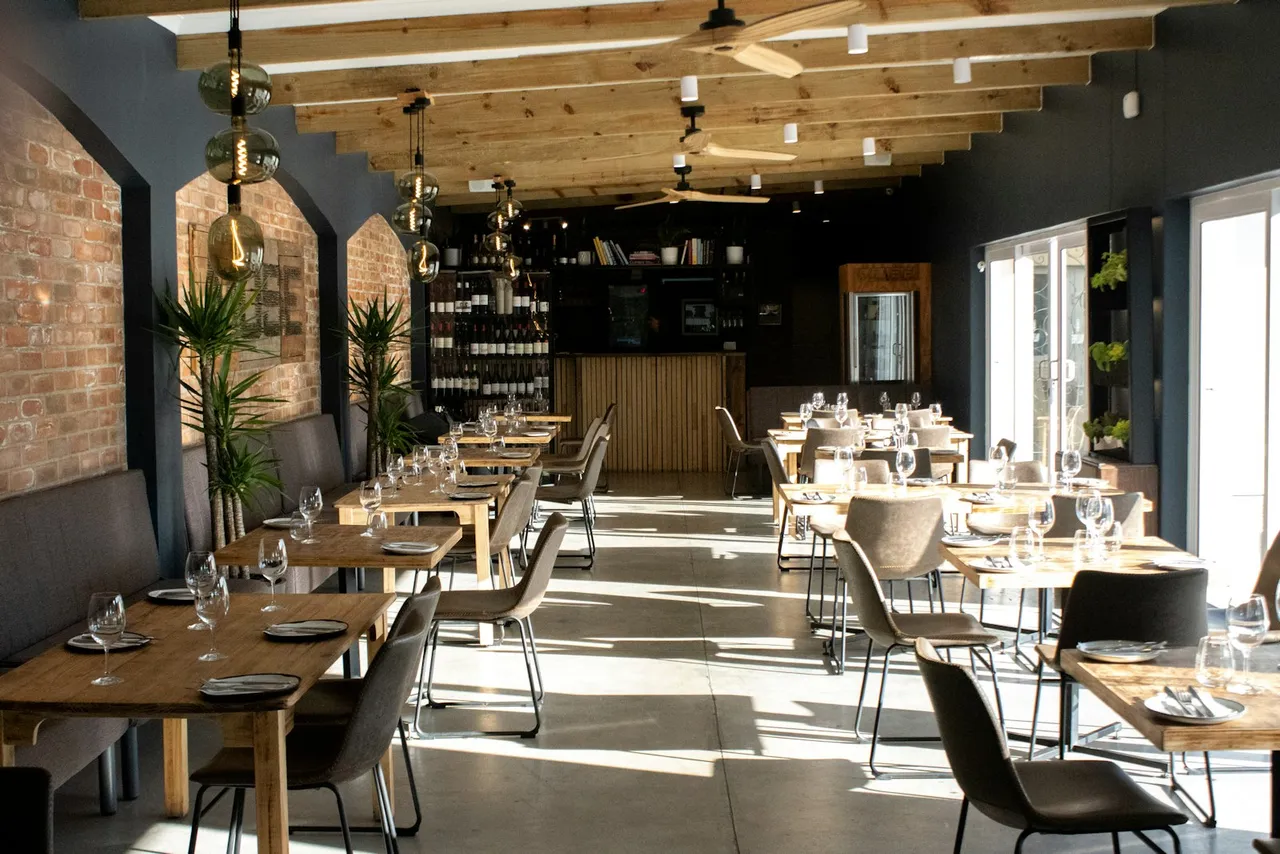
Imagine this: It is 7:30 PM on a Friday in your restaurant. There is a queue of starving customers waiting outside. Inside, you have a 4-seat table occupied by a couple that is still sitting and drinking water after finishing their meal, and a large 6-seat round table reserved for a group that is 30 minutes late.
To most people, the restaurant looks busy. To a professional restaurant manager, this scene is a disaster. You are losing money every single minute if those seats are under-utilized.
In the Thai restaurant industry of 2026, where rent in prime areas has returned to pre-pandemic highs, you can no longer afford to waste any space. You cannot simply add more seats to get more revenue. Instead, you must generate more revenue from the chairs you already have. This is called the art of Smart Table Allocation.
The "Real Estate" Mindset
Successful operators do not just sell delicious food, they sell time and space wisely. Every chair in your dining room is a piece of real estate that you rent from your landlord monthly. Your job is to monetize those chairs for 60–90 minutes at the highest possible price.
The Thai Market Challenge
Thailand presents unique challenges for table management compared to other countries:
- Family Style Dining: Unlike Western dining where everyone orders just a single main course, Thais share dishes. This requires more table surface area per person, making table joining become crucial.
- The Chill Culture: Customers often stay after eating for a long time. While hospitality is an important key for the restaurant industry, "campers" drastically reduce your turnover rate.
- No-Show: Traffic in Bangkok is absolutely unpredictable. A group of 10 might reserve for 7 PM but arrive at 7:45 PM. Holding that table empty for 45 minutes destroys your revenue for that entire hour.
Industry data suggests that the average Thai casual dining restaurant operates at only 60-70% seat utilization during peak hours due to poor table mixing, like putting 2 people at a 4-seat table. Increasing seat utilization to 80% can boost revenue by 15-20% without the need to expand your floor plan.
Understanding RevPASH
To master allocation, you need to understand one metric: RevPASH (Revenue Per Available Seat Hour).
Formula: Total Revenue / (Total Seats × Hours Open)
If your RevPASH is low during peak hours, it often signals one of these two problems:
- Empty Seats: You have tables, but no customers.
- Dead Seats: You have customers, but they are sitting at tables that are too big for them.
We will focus on the Operations problem, which is “Dead Seats”.
The Golden Rule of Flexible Seating
The biggest mistake in restaurant design is buying large, heavy, and fixed tables that are impossible to rearrange.
- The 4-Top Trap: If you have a fixed table for 4, and a couple sits there, you have lost 50% of your seat for just one table.
- The 2-Top: The most efficient restaurants use primarily just 2-top tables.
- 2 Pax = 1 Table
- 4 Pax = Push 2 tables together
- 6 Pax = Push 3 tables together
You can expand and contract your capacity based on the actual demand of that specific time.
The Reservation vs. Walk-In Mix
How many of your tables should be reserved?
- Fine Dining / Omakase: 100% Reservation. (Zero waste, high predictability, better preparation).
- Casual Dining: 50% Reservation / 50% Walk-In.
- Why? Reservations guarantee revenue, but Walk-Ins help fill the gaps. If a reservation is late or cancels, a walk-in can fill the seat immediately.
Optimize Capacity
1. Implement "Anchoring" for Reservations
Never let customers choose their desired table time freely on reservation.
- Bad: Letting customers book at 7:15 PM or 7:40 PM. This creates awkward gaps that are too short to seat another table.
- Good: Offering slots at 6:00 PM, 6:30 PM, 8:00 PM, 8:30 PM. This aligns customer flow and allows for a double turn.
2. The 15-Minute Rule
In Bangkok traffic, lateness is inevitable. However, you must have a strict policy.
- Policy: "We hold tables for only 15 minutes. After that, the table is released to the waitlist."
- Execution: Call the customer 30 minutes before the booking to confirm. If they say "we are stuck at Asoke intersection and won’t make it on time," move them to the waitlist immediately and seat the walk-in customers.
3. Menu Engineering for Speed
If your goal is to increase seat turnover, your menu must support it.
- Pre-Ordering: For large groups, pre-order of signature dishes is required. This allows the kitchen to cook the exact moment they sit down, cutting 20 minutes off the total dining time.
- Dessert: If a queue is long, offer a discount if customers take dessert or coffee as a takeaway option instead of eating at the table.
4. Managing Campers
- Polite Pressure: Train staff to clear plates immediately but politely after everyone stops eating. A clear table signals "the meal is over."
- The Bill: In Thailand, it is rude to drop the bill before it is asked for. However, you can drop the dessert menu. If they decline dessert, ask: "Would you like anything else, or may I prepare the bill for you?"
Turning Operational Gaps into More Profit
The Isan Restaurant
Problem: A popular Som Tum shop had long queues but low revenue. They had heavy wooden tables that seated 6 people each.
Observation: 60% of their customers were couples or groups of 3. This meant 3 seats were always dead at nearly every table.
Solution:
- Replaced heavy 6-tops with lightweight 2-top square tables that are easy to move.
- Created a "Solo/Duo" row.
Result: Capacity increased by 35%. Wait times dropped significantly from 40 minutes to 15 minutes. Revenue increased 25% in the first month.
The Rooftop Bar
Problem: Customers would buy one cocktail at 6:00 PM and sit at the best river-view table until 9:00 PM to watch the sunset and take photos.
Solution:
- Zoning: Created "Premium Zones" and "Standard Zones".
- Minimum Spend/Time: Premium tables required a minimum spend of 2,000 THB OR had a 90-minute limit.
Result: Doubled turnover on premium tables. Customers who wanted to stay longer moved to the Standard Zone, freeing up the premium zones for new high-spending guests.
What You Must Do Today
For Small Operators (1 Branch / <50 Seats):
- Visual Scan: Stand at the front door during peak hour. If you see empty chairs at occupied tables, your tables are too big.
- Host Role: The owner or manager must manage the door. Do not let junior staff decide where people sit. Junior staff tend to let a couple sit at a 4-top because it's more comfortable, this silently costs you money.
For Mid-Sized Operators (Chains / 100+ Seats):
- Average Party Size: calculate your average party size. If your APS is 2.4 people, but your average table size is 4.0, you have a mismatch.
- Deposit Logic: Automate deposits for groups larger than 6 pax. This eliminates the financial risk of holding a large table.
Table Optimization with Aroi
The days of managing floor plans with a whiteboard and marker are over. Aroi provides the digital intelligence needed for smart allocation.
- Visual Table Plotting: Aroi allows you to visualize your floor plan digitally. You can assign reservations to specific tables before the shift even starts. This lets you play "Tetris" in advance, ensuring every group fits perfectly to maximize table allocation.
- Tagging System: You can tag guests as VIP or anything else based on their behavior. If you know a guest usually stays for 3 hours long, you can tag them as a camper.
Unlock the Hidden Revenue in Your Empty Chairs
Increasing revenue doesn't always require a new menu or a viral TikTok video. Sometimes, it just requires better management.
By shifting from fixed seating to a flexible system, you can unlock your hidden revenue that is currently sitting in your empty chairs. Remember, space is your most expensive asset. Treat it wisely to maximize your revenue.
Tonight, take a photo of your dining room at 8:00 PM. Count the number of customers vs. the actual number of chairs. If your utilization rate is below 70%, it is time to buy some 2-top tables.