Walk into Central World, Siam Paragon, or the bustling streets of Thonglor on weekends. What do you see?
You see long queues in front of Sushiro, Saemaeul, and high-end Omakase bars. Meanwhile, many traditional Thai casual dining spots struggle to fill tables.
The dominance of Japanese and Korean dining in Thailand is not just about the "Soft Power" or popularity of Korean culture. It is about Business Model Efficiency.
These cuisines have mastered two things that many Thai operators miss: Operational Speed and High Perceived Value. While a Thai kitchen often relies on complex, labor-intensive stir-fries made to order, a Korean BBQ restaurant offloads the cooking to the customer, and a Japanese Ramen shop perfects a single broth to maximize turnover.
For Thai restaurant owners facing rising labor costs and skyrocketing rents in CBD areas, the answer isn’t to stop cooking Thai food, but to apply the structural secrets of Seoul and Tokyo to your kitchen in Thailand.
The "Value Gap" in Thai Dining
There is a barrier in the Thai market. A customer will hesitate to pay 150 THB for Pad Krapow, but will happily pay 350 THB for a Bibimbap or 500 THB for a Salmon Don.
Why?
- Specialization vs. Generalization: Thai menus often look like encyclopedias with 100+ items. This signals a commodity experience to the customer and creates inventory nightmares for the owner. Japanese shops often sell one thing that signals craftsmanship.
- The Experience Economy: Korean dining is experiential. The side dishes, the grilling, the scissors, it’s a show. Thai dining is often passive, customers simply sit, wait, and eat.
- Labor Allocation: In a standard restaurant, the kitchen is the primary bottlenecks. In a Yakiniku or K-BBQ model, the table is the kitchen. This drastically changes the table turnover rate.
With Thai ingredient costs fluctuating wildly, the "High Volume, Low Margin" model of traditional Thai shops is becoming truly dangerous. To survive, you must pivot to "High Efficiency, High Value."
Deconstructing the Models
To upgrade your Thai restaurant, we must analyze the mechanics of these competitors.
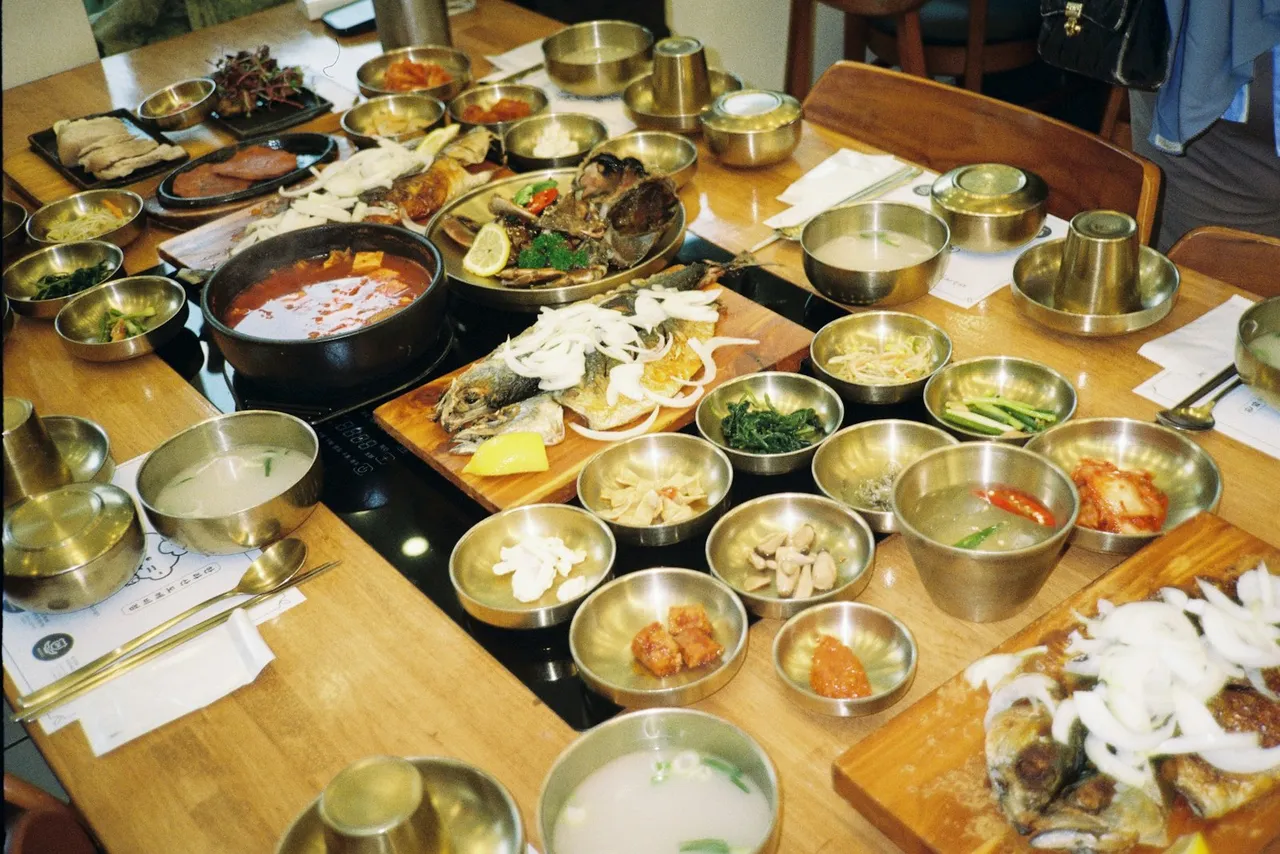
The Korean "Assembly" Model
Korean restaurants excel at batch preparation.
- The Mechanism: When a customer sits down, 6-8 side dishes arrive instantly. These are pre-prepped in bulk during off-hours, and customers do not have to wait at all.
- The Result: The customer starts eating immediately. The kitchen only focuses on the main dish.
Instead of cooking every Som Tum to order, you can create a set of Nam Prik, fresh veggies, pork crackling that lands on the table in 30 seconds. This buys your kitchen more time to prepare and increases perceived value.
The Japanese "Specialist" Model
Japanese restaurants excel at depth, not width.
- The Mechanism: An Unagi shop sells only Eel. A Tempura shop sells only Tempura.
- The Result: Near-zero food waste. The staff becomes hyper-efficient at making one thing they mastered.
Stop trying to sell Curry, Stir-fry, Steamed Fish, and Noodles in one restaurant. If you are famous for something, build the entire menu around it, and eliminate the other 80 items that cause waste.
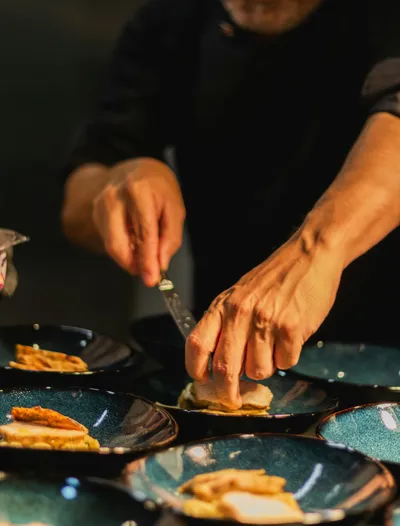
The "Omakase" Model
This is the holy grail of profitability.
- The Mechanism: Pre-booking only. Fixed menu. Upfront payment.
- The Result: Zero waste. High ticket size.
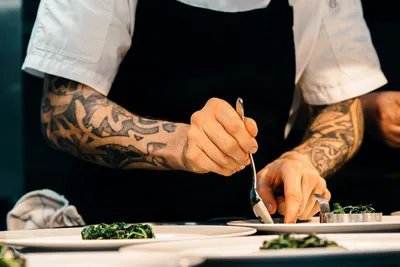
We are seeing the rise of "Thai Fine Dining". Even casual shops can do this by offering a "Chef’s Table Set" on Friday nights, reservation required.
Actionable Steps to Apply to Your Operations
1. The "Interactive Table" Strategy
Korean BBQ and Japanese Shabu/Sukiyaki offload labor to the customer. Thailand has Hot Pot and Mookata, but they are often seen as "cheap" street food.
- Action: Premiumize your Mookata. Install proper ventilation. Use high-quality meats.
- ROI: You save on kitchen staff. One server can manage 6 tables because the customers are cooking for themselves.
2. The "Set" Revolution
Japanese set meals are brilliant. Main + Rice + Miso + Pickle.
- Action: Stop selling just Tom Yum Kung. Sell the "Ayutthaya Set": River Prawn Tom Yum + Jasmine Rice + Minced Pork Omelet + Mango Sticky Rice.
- Why: It increases the Average Ticket Size immediately, and simplifies kitchen flow.
3. Elevate the "Free" Items
In Korea, kimchi is free but delicious. In Japan, tea is often free. In Thai shops, the free water is often warm, and the Nam Pla Prik looks unappetizing.
- Action: Make your Nam Pla Prik fresh and vibrant. Serve welcome snacks immediately upon seating.
- Cost: Low food cost (<10 THB).
- Impact: High perceived hospitality.
Turning Theory into Profit: The "Efficiency Pivot" in Action
The Traditional "Made-to-Order" Upgrade
- The Problem: "Khun Dang’s Kitchen" serves 150 dishes. Food waste is 15%. Customers complain about slow service during lunch rush because the chef is overwhelmed making Pad Thai, Green Curry, and Fried Rice simultaneously.
- The Japanese Pivot: Cuts the menu to 15 items, focusing on "Premium Rice Bowls" (Donburi style).
- Signature: Wagyu Pad Krapow Don with Onsen Egg.
- Operations: The beef is sous-vide. The sauce is master-batched. Final cooking takes only 2 minutes.
- The Result: Ticket size jumps to 280 THB. Waste drops to 5%. Table turnover rate is doubled.
The Isan Grills Pivot
- The Problem: An Isan restaurant specializing in Grilled Chicken and Som Tum. Profits are low because rent is high.
- The Korean Pivot: Rebrand as "Isan Yakiniku."
- Instead of grilling chicken in the back, they install table grills. They serve "Welcome Set" (Pickled Bamboo, Cucumber Salad, Sticky Rice baskets). They sell marinated pork neck and expensive beef tongue for customers to grill.
- The Result: Alcohol sales increase. Labor cost decreases. Average spend per head goes from 400 THB to 1,200 THB.
Matching Efficiency to Your Business Model
For Small Operators:
- Niche Down: Pick your "Hero Product." Be the best at one thing. Do not try to be a generalist and be good at nothing.
- Speed: Serve something within 2 minutes of sitting down. This reduces "Hangry" reviews.
For Mid-Sized Operators:
- Integration of Tech: High-volume models rely heavily on math, not luck. You need to manage the flow of customers precisely.
Using Aroi to Secure Revenue
Japanese and Korean concepts rely heavily on Flow Management. If you need to do it as well, you need a dedicated system. This is where Aroi becomes the digital backbone of your operation.
- The Omakase Effect: If you adopt a high-ticket, limited-seat model (like a Chef's Table), you cannot afford a "No-Show." Aroi’s reservation system allows for deposit collection, securing your revenue before the guest arrives.
- Custom Tags: Stop treating every customer the same. Aroi’s Custom Tags let you categorize guests, for example, tagging "Omakase Regulars" vs. "Discount Hunters." This ensures your marketing budget targets the high-value guests who drive your profit.
Thai Soul with a Modern Engine
Thai cuisine has the flavor to rule the world, but the traditional Thai restaurant business model is still stuck in the past.
By observing our neighbors in Japan and Korea, we see that success in 2026 isn't just about how the food tastes, it's about how the menu is engineered, how the labor is deployed, and how the value is perceived.
You don't need to sell Sushi or Kimchi like them. You need to sell Thai food with Japanese precision and Korean flair.
Audit your menu this week. Identify the bottom 20% of unpopular items that cause drastic kitchen slowdowns and remove them immediately. Then, create one "Premium Set" that is designed to increase your ticket size by 30%.