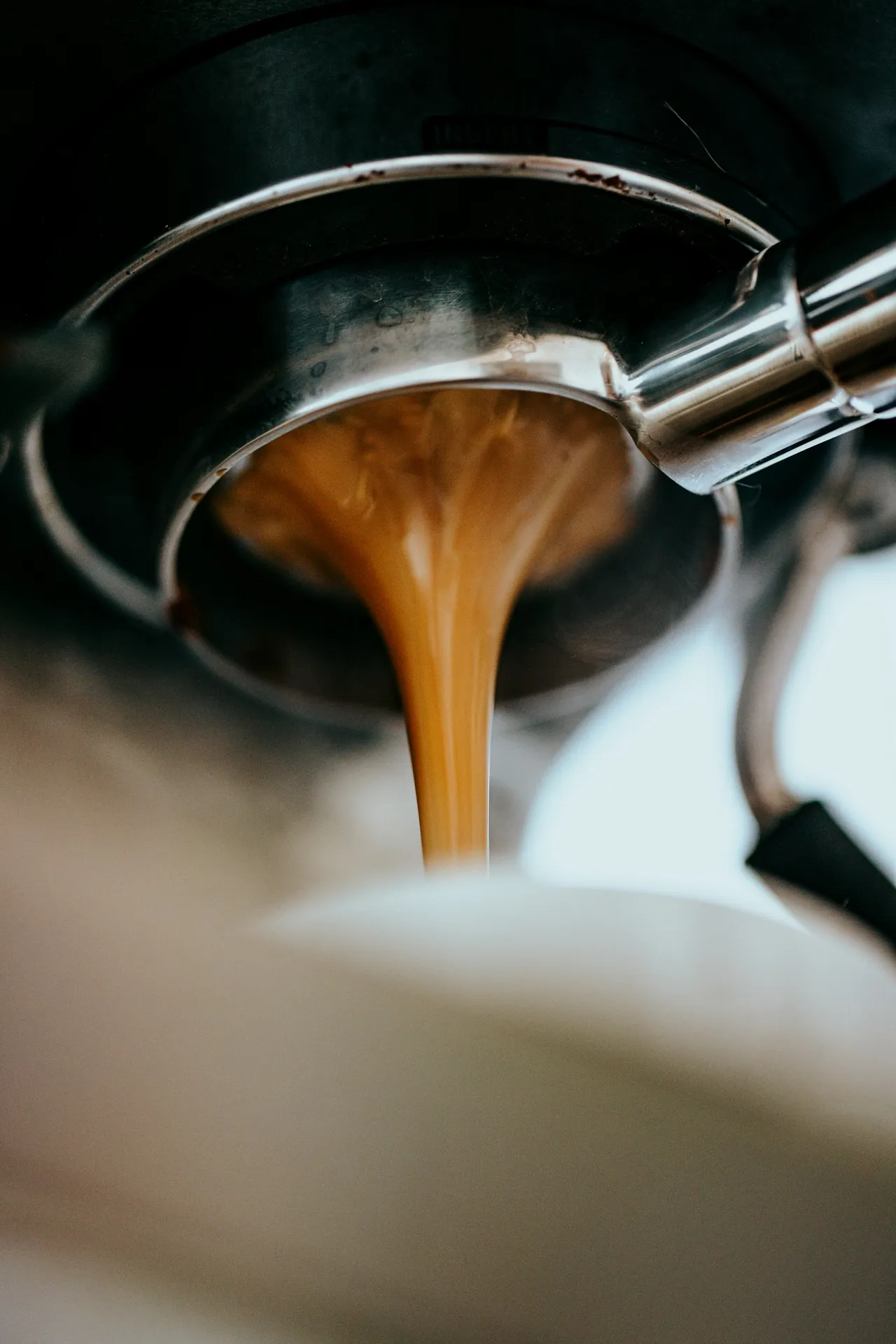
If you walk into any popular restaurant in Ari, Thonglor, or in any prime area in Bangkok, and you’ll notice a huge shift. The Thai fine-dining restaurant now has a 300,000 THB espresso machine sitting proudly on the counter.
Why? Because the margins on food are shrinking, but the margins on coffee remain dangerously attractive for operators.
For Thai restaurant owners battling rising pork prices and labor shortages, coffee represents a perfect add-on, a product with a 70%+ gross profit margin that requires little to no kitchen space. Keep in mind that treating coffee as an afterthought is the fastest way to burn through cash.
This guide analyzes whether your restaurant should join the Third Wave coffee movement and how to do it without losing your profit and identity.
The Maturation of Thailand's Coffee Culture
The Thai coffee market has matured rapidly since the pandemic. During lockdowns, your customers became home brewers. They bought grinders, learned about tasting notes and realized that dark and bitter coffee wasn't the only option for them. Now, when they return to your restaurant in 2026, their standards are higher than ever before.
- The "Soft Power" of Local Beans: Thai consumers are increasingly proud of local beans. Arabica from Nan, Chiang Rai, and Mae Hong Son has now become world-class. Serving these beans isn't just "cheaper" than importing, it’s a marketing story about proudly local beans your customers want to hear.
- The All-Day Revenue Model: Most Thai lunch spots make money only from 11:00 AM to 2:00 PM. By adding a serious coffee station, you unlock the "Dead Hours" (2:00 PM - 5:00 PM) where digital nomads and students look for a place to sit and work.
- The "Iced Espresso" Factor: Despite the rise of specialty drips, the bestseller in Thailand still remains “Iced Espresso”. It is sweet, creamy, and strong. If you can find a way to bridge the gap between "High-End Specialty" and "Street Iced Espresso," you win the mass market.
The True Cost of Coffee
Let's look at the math. Why does everyone want to add coffee for their restaurant?
The "One Coffee Cup":
- You Sell for: 100 THB
- You Pay: 30 THB (Beans, Milk, Cup)
- You Keep: 70 THB
Compare this to a plate of Pad Kaprao, where it often leaves you with only a 30-40% margin.
However, there is the "Hidden Costs" that kill beginners:
- The Machine: A decent dual-boiler machine + grinder costs around 150,000–400,000 THB. You need to sell ~5,000 cups just to pay off the hardware.
- Waste: A barista might waste 3-5 shots every morning due to dialing in the grinder. That potentially costs up to 100 THB daily.
- Speed vs. Quality: If your main rush is lunch, a "Slow Bar" will cause a huge bottleneck, and do more harm than good. You need a "Speed Bar" workflow to align with your lunch.
How to Start Without Overspending
If you decide to add coffee, do not simply buy a coffee machine and hope for the best. Follow this strategy:
1. The "Signature Drink" Strategy
Don't compete with Starbucks on a Vanilla Latte. Compete on Thai Identity.
- Action: Create signature drinks that pair well with your food or use Thai ingredients.
- Example: "Tom Yum Cold Brew" (Infused with lemongrass/kaffir lime) or "Dirty Lod Chong" (Coconut milk dirty coffee with pandan jelly).
These are "Instagrammable" items that justify a 120 THB price point.
2. The Equipment Match
- Small Restaurant: Do NOT buy a big espresso machine at all costs. It’s better to invest in a Flair Espresso or a high-end Batch Brewer. It’s cheaper and requires less maintenance.
- Busy Lunch: You need a 2-Group machine to handle the speed of busy lunch time.
3. The "Barista-Waiter" Hybrid
Hiring a dedicated barista for 20,000 THB/month is risky if you can sell only 20 cups a day.
- Action: Train your service staff to make coffee. Send them to a 2-day intensive barista course.
- Rule: "Consistency over Lovely Latte Art." It’s better to serve a delicious ugly coffee than a beautiful bad one.
Why Strategy Matters
The Success – "Isan Modern"
- Concept: A premium Som Tum restaurant.
- Strategy: They realized that customers went elsewhere for dessert and coffee after spicy food from their restaurant. So they installed a "Slow Bar" featuring beans from a local farm in Khon Kaen.
- Result: They captured the "After-Meal" crowd successfully. Average Ticket Size increased by 150 THB per table. The slow drip process fits the "chill" evening vibe perfectly.
The Failure – "Old School Noodle"
- Concept: A busy Beef Noodle shop.
- Mistake: Bought a cheap automatic home-office coffee machine and used dark, oily beans. Then they sold "Cappuccino" for 40 THB.
- Result: The coffee tasted watery and bitter. It damaged the brand's reputation for quality. Customers preferred the 7-Eleven coffee next door. The machine is now gathering dust.
Your Immediate Action Plan
- For Small Operators: Start with Cold Brew. It requires minimal equipment, can be made in batches overnight, and has a high perceived value.
- For Mid-Sized Operators: Partner with a Local Roaster. Don't just buy beans, ask them to create a "House Blend" exclusively for you. Put their logo on your menu to lend their credibility to your coffee.
- The "Dirty" Opportunity: If you have an espresso machine at your restaurant, consider adding "Dirty Coffee". While it sells fewer cups than other popular coffees, it sells at a premium price and signals to customers that your shop serves specialty coffee, not just instant powder.
The Digital Upgrade: Managing Customers, Not Just Orders
While your POS handles the transactions, Aroi handles the customers. In a coffee business, loyal customers are everything. Aroi helps you turn a one-time visitor to become your regular.
- The "Afternoon Dip" Fix: Restaurants are often empty between 2:00 PM – 5:00 PM. Use Aroi to send an automated voucher directly to your customers: "Show this message for 20% off between 2-5 PM." This fills your empty seats with profitable coffee drinkers.
- Digital Membership: Instead of printing paper "Buy 10 Get 1" cards that customers lose, use Aroi’s CRM to track visits. You can easily see who your top 10% of frequent visitors are and reward them with a free bag of beans or a special tasting flight to keep them loyal.
- Tagging Your "Coffee VIPs": Not every customer drinks coffee. When a guest orders a premium "Dirty Coffee," tag them in Aroi as CoffeeLover.
- Next Visit: When they book a table, your staff will see the tag and know what to ask: "Would you like to try our new Single Origin bean from Nan today?" This personalized upsell works 10x better than a generic script.
Start Small, Think Local
Adding specialty coffee to your restaurant is one of the smartest ways to boost your revenue, but only if you do it right. Thai consumers are educated; they know the difference between "burnt water" and a "fruity light roast."
Focus on local beans, and use technology to control your high-margin inventory.
Contact 3 local roasters this week. Ask for samples. If the coffee tastes good, you have found your partner.