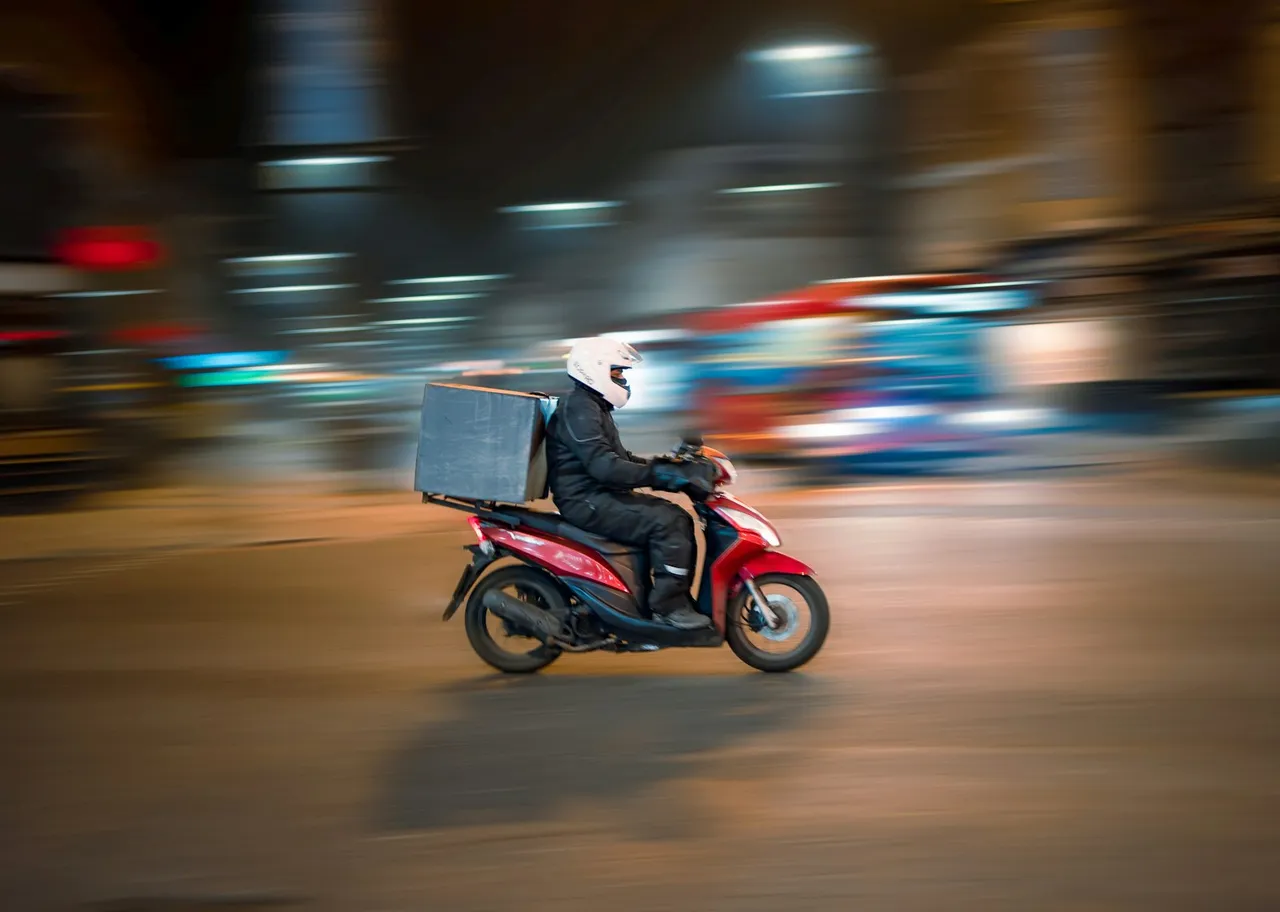
The notification sound from your phone of a delivery app, whether it’s Grab or Lineman used to be the sound of survival during the pandemic. In 2026, even though this sound guarantees your orders, it has become the sound of shrinking margins without you even noticing.
It is a common paradox for any restaurant. The kitchen is full of chaos, a queue of riders is stacking up outside blocking the entrance, and the staff is overwhelmed. Yet, at the end of each month, the owner looks at the profit and loss statement and sees barely any profit.
Why? Because you are actively trading High-Margin Dine-In revenue for Low-Margin Delivery volume.
While delivery is essential for your brand visibility and cash flow, relying on it too heavily is a trap. When you pack food into a box, you lose the high-margin extras like drinks, service charge, and desserts that customers only order while they eat at your restaurant. The winners in the Thai F&B scene in 2026 will be the operators who use delivery as a marketing channel, not a main source of income.
The "GP" Reality Check
Let’s look at the financial reality of a Thai casual dining restaurant. Even if you increase your delivery price for GP, the math still favors the customer sitting in your restaurant.
The Dine-In Guest
- Food Order: 500 THB
- Drinks: +100 THB
- Service Charge (10%): +60 THB
- Total Revenue: 660 THB
- Deductions: NO GP Fee. Minimal packaging cost.
The Delivery Customer
- Food Order (Marked Up): 600 THB
- Drinks: 0 THB (They drink their own water)
- Service Charge: 0 THB
- Total Bill: 600 THB
- Deductions: GP Fee (30% of 600) = -180 THB. Packaging = -15 THB.
- Net Revenue: 405 THB
Result: You are doing the same amount of cooking, but earning less per table.
Structuring Your Business for Hybrid Profit
You cannot simply turn off delivery apps, with that you will lose visibility. Here are what you should do instead:
1. The Menu Split
Do not offer your full menu on delivery apps.
- Dine-In Menu: 100% of menu items, including Chef’s Specials and premium presentation dishes.
- Delivery Menu: 60% of items. Only dishes that are still good after delivery.
If a customer wants your signature Soufflé Omelet or the Wagyu Beef on Hot Stone, they must come to the shop.
2. Pricing Power: The "1.47" Rule
It is standard practice in Thailand to mark up delivery prices, but many owners guess the number wrong. Here is the exact math to get the same amount of profit.
- The Goal: To earn exactly the same net revenue as a cash sale, you must cover the 30% GP + the 7% VAT charged on that GP.
- The Formula: Dine-In Price x 1.47
- Example: A 100 THB Pad Thai must be sold at 147 THB on the app to keep the same net.
- Warning: While 1.47 is mathematically correct to get the same profit, it is commercially risky. A near-50% price increase can shock customers and kill your order volume.
- Recommendation: Aim for a 1.30 multiplier. This covers the base GP fee, and accepts a slightly lower margin on delivery in exchange for volume, while keeping the price competitive.
3. The "Loss Leader" Strategy
Use delivery apps as a billboard.
- Promote a "Rice Bowl Set" at a break-even price to get high order volume and ranking.
- Inside every delivery bag, place a high-quality card: "Bring this card to the shop for a free Signature Appetizer (Value 150 THB)."
Goal: You pay for the customer acquisition via the app with almost no cost, but you monetize them via the dine-in upsell later.
Actionable Steps to Reclaim Your Floor
1. The Entrance
Nothing kills a dine-in vibe faster than a wall of riders blocking the door.
- Designate a separate pick-up window or a side table for riders. Offer them water, but keep them away from the entrance. The "Welcome" feeling must be prioritized for the guest, not the app.
2. The "Dine-In Exclusive" Promotion
Stop discounting delivery apps. Save your budget for on-site rewards.
- Strategy: "4 Pay 3" Buffets or "Free Beer Refill 17:00-19:00."
These promotions encourage groups. Delivery is solitary; Dine-in is social. More customers = more orders.
3. Elevate the Atmosphere
If eating at home compared to your restaurant feels the same, why would someone drive through Bangkok traffic to visit yours?
- Music & Lighting: Curate playlists that fit the time of day and your dishes. Dim lights for dinner service.
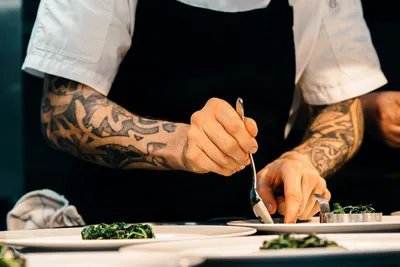
- Plating: Presentation must be Instagrammable. This is a free marketing tool that delivery cannot provide.
Turning Delivery Users into Dine-In Guests
The Overwhelmed Burger Shop
- Problem: The shop was doing 300 orders a day, mostly delivery. The kitchen was slammed all day, but profits were thin because packaging costs were excessively high. Dine-in guests also complained about waiting 40 minutes for a single dish because the kitchen prioritized riders.
- Solution: The owner created a "Dine-In Combo" (Burger + Beer) that was cheaper than ordering separately. They also implemented a system where the kitchen alternates tickets: 2 Dine-In orders for every 1 Delivery order during peak hours.
Result: Delivery volume dropped by 15%, but total margins increased. Dine-in revenue grew by 40% due to alcohol sales.
The Family Thai Restaurant
- Problem: Customers loved the food but only ordered delivery because parking was difficult.
- Solution: The restaurant partnered with a nearby office building for parking. Then they placed QR codes on every delivery box linking to a reservation page with a message: "Book a table for 4 people, get a free Tom Yum Kung."
Result: They converted their loyal delivery customers into Friday night dinner guests.
Different Scale, Different Strategys
For Small Operators (Street Food):
- Focus on volume. Delivery is fine, but focus on speed and low packaging costs.
- Use "Pick-up" promotions to save GP fees.
For Mid-Sized Operators (Casual Dining):
- Data Collection: You don't own the customer data if you rely on delivery apps. You only own it if they dine in. Use a CRM or membership system.
- Reservation Management: As you shift focus to dine-in, you cannot afford empty tables on any day.
The Tech Advantage: Doing What Delivery Apps Can't
If your goal is to maximize dine-in revenue, you must offer an experience that delivery apps cannot provide. This is where Aroi becomes your competitive advantage.
- Reservation Confidence: When you push customers from delivery to dine-in via your reservation system, they need to know they will have a seat. Aroi’s reservation management system ensures that when a customer drives through Bangkok traffic to your restaurant, their table is ready for them. This eliminates the friction that usually sends people back to the delivery app.
- Smart Seating Algorithm: Aroi doesn't just fill seats; it optimizes them. The system suggests the guest's favorite table and assigns the server they interacted with best.
From Volume to Value
The era of "Growth at all costs" is now over.
Delivery apps are powerful tools for customer acquisition, but they are terrible partners for your long-term profitability. Your goal as an owner is to view delivery as a paid sample distribution channel. Let them taste your food at home for the first time, but design your entire business strategy to bring them into your restaurant.
Because that is where the service charge is earned, the wine is poured, and the real profit is made.