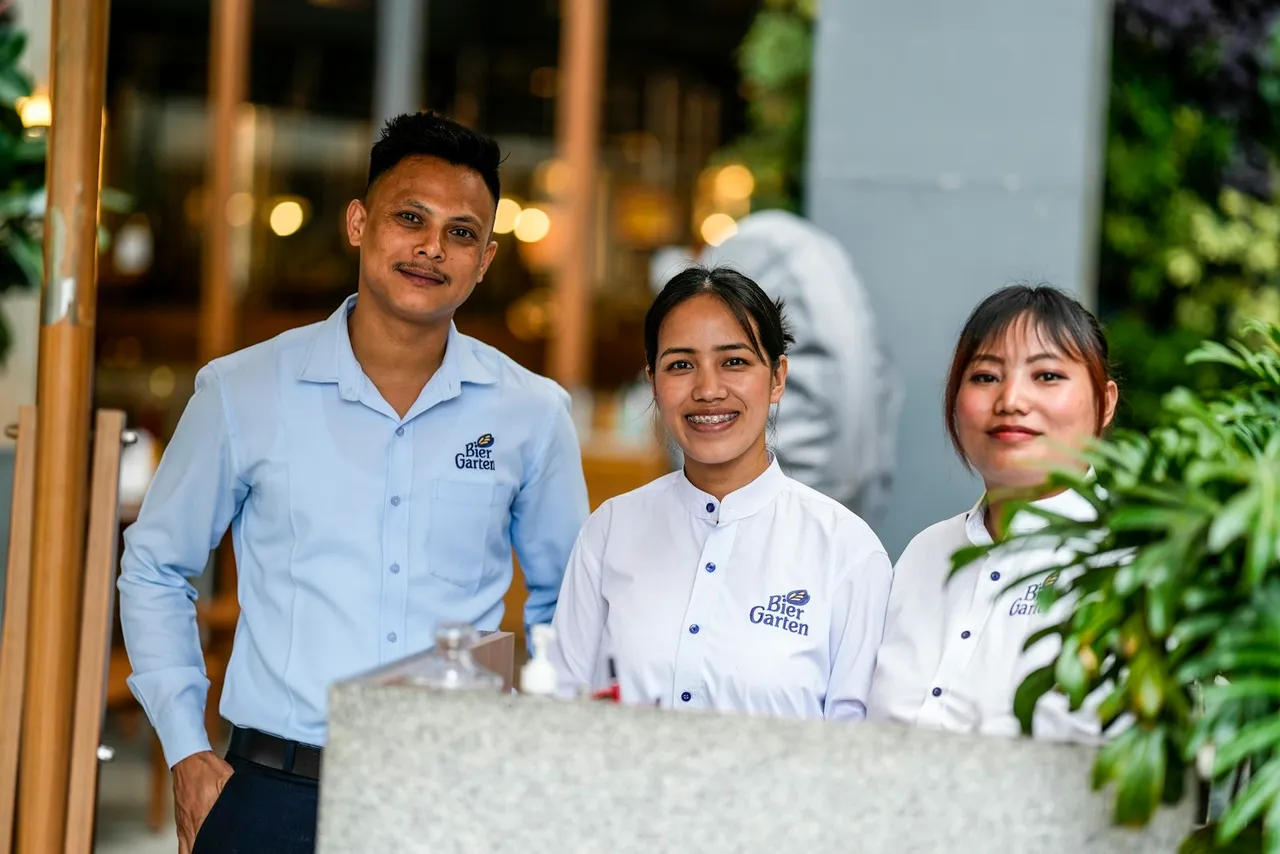
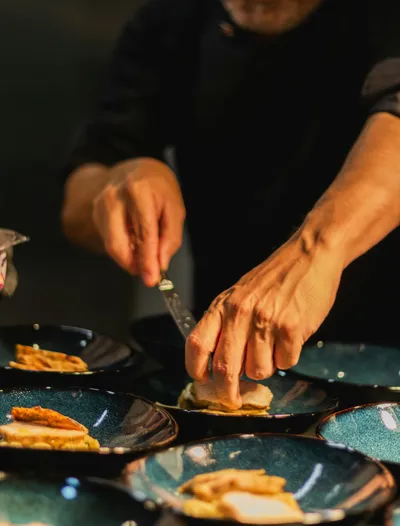
It is 7:00 PM on a Friday night in Thonglor. Your restaurant is fully booked. Suddenly, your head server calls in sick, and your dishwasher just walked out without notice.
For Thai restaurants, this isn't a nightmare that rarely happens, it is a weekly reality. The "Golden Age" of cheap and abundant labor in Thailand is completely over. Between an aging population, the allure of the gig economy, and changing attitudes toward the service work among Gen Z, these are reasons why finding and keeping staff is the #1 challenge for F&B owners.
But here is the truth: You don’t need more staff to work more efficiently. You just need a better system.
The most profitable restaurants in Bangkok aren’t the ones with the most waiters; they are the ones with the smartest operations. This guide will show you how to smoothly transition from a labor-heavy model to a lean-efficiency model without the need to sacrifice service quality.
The "Ghosting" Epidemic and Rising Costs
The Thai labor market has drastically shifted.
- The Gig Economy Drain: Why wash dishes for minimum wage when you can ride a motorbike for Grab and be your own boss? This has drained the labor pool.
- Wage Inflation: The pressure to increase daily wages still continues. Relying on sheer numbers of staff is becoming mathematically impossible with smaller profit margins.
- The "Ghosting" Culture: Turnover rates in Thai hospitality are exceeding over 30%. Staff often quit by just disappearing without any notice.
If your business model collapses just because a single person doesn't show up, your model is broken. The goal of 2026 is to be Resilient. A resilient restaurant can operate at 80% capacity even if 30% of the staff is missing.
How to Optimize Your Workforce
To effectively run with fewer people, you must rethink the traditional divide where "Front of House" and "Back of House" need to work separately.
1. The "Hybrid" Staff Model
In a traditional Thai restaurant, one person takes orders, one person serves water, one person clears tables, and one person cooks. In a "Lean" shop, roles are fluid.
- Cross-Training: Your barista must know how to run food. Your server must know how to clear and stack the dishwasher.
- The Super-Server: Instead of 4 waiters doing their specific tasks, you should have 2 highly paid and highly trained "Super-Servers" who manage zones, supported by technology.
2. Technology as the "Silent Waiter"
You cannot be lean without technology.
- QR Ordering: This is non-negotiable in 2026. By letting customers order directly via their phones, you eliminate the "Order Taker" role entirely. This saves 5–7 minutes of staff time per table.
- Kiosks: For quick service restaurants, kiosks reduce the need for a cashier.
3. Menu Engineering for Speed
A menu with 150 items is a labor trap.
- 80/20 Rule: 80% of your sales come from 20% of your menu.
- Strategy: Cut the bottom 30% of low-selling items. Fewer ingredients mean less preparation time, faster cooking, and fewer errors.
Actionable Steps to Reduce Labor Dependency
1. Implement SOPs
Do not rely on a single staff member who knows how to do it. If that staff member quits, that means you are in big trouble. Build Standard Operating Procedures based on stations.
- Checklist: Create a laminated checklist for Opening, Shift Handover, and Closing for every station.
- Visuals: Use photos of how a dish should look or how a station should be set up. Visuals can bridge the language barriers for migrant workers and help with clear communication.
2. Customer Self-Sufficiency
Thai customers are open to self-service if it means faster speed.
- Cutlery & Condiment Station: Centralize forks, spoons, napkins, and chili sauce. Don't make staff run for a single tissue.
- Water Refills: Place a pitcher of water on the table. It saves an average of 3 trips per table.
3. Batching Prep Work
The kitchen should never chop garlic during service.
- The Strategy: Move 80% of preparation to non-peak hours. During service, the cook should only be assembling and cooking.
- Pre-portioning: Sauces should be bagged in exact portions. This removes the need for measuring during the rush.
4. Optimize the Layout
- Steps Audit: Watch your staff for one hour. How many steps do they take to get ice? To get a menu?
- Fix: Move the POS, the ice bucket, and the pass closer. Saving even just 10 steps per trip equals kilometers of walking saved per shift.
The Impact of Lean Operations
The Overwhelmed Isan Restaurant
- Problem: High customization (Som Tum with/without sugar, fermented fish, crabs, etc.) required experienced servers to take orders correctly. When experienced staff quit, order errors skyrocketed.
- Solution: Implemented QR Ordering with Mandatory Modifiers. The digital menu forced customers to click exactly what they wanted.
- Result: Reduced FOH staff from 5 to 3. Order errors dropped to near zero.
The Premium Café
- Problem: Baristas were overwhelmed during the morning rush while floor staff stood idle waiting for food orders.
- Solution: Cross-Training. Floor staff were trained to steam milk and pull shots. Baristas were trained to run food.
- Result: The team could cover for each other. If the coffee bar was slammed, everyone could become a barista. Service speed improved by 20%.
How to Lead at Different Levels
For Small Operators (1 Branch):
- Simplicity: If a dish takes more than 4 steps to plate, simplify it.
- Hire for Attitude, Train for Skill: You can teach someone to do something, but you cannot teach them to show up on time.
For Mid-Sized Operators (2-5 Branches):
- Centralize Preparation: If you have 3 branches, rent a small central kitchen (or use one branch’s kitchen off-hours) to do all chopping and sauce making. Send "Ready-to-Cook" kits to other branches. This reduces the need for hiring skilled chefs at every location.
Predictability is Efficiency
When you are short-staffed, surprises are the real enemy. You need to know exactly who is coming, when they are coming, and what they are going to order. This is where Aroi becomes an essential operational tool for your restaurant.
- Slot Management: Aroi’s system allows you to cap bookings per 15-minute slot. If you only have 2 waiters tonight, you can set the system to only accept 4 tables every 15 minutes. This artificially slows down the rush, preventing your whole operation from crashing.
- Pre-Ordering via Deals: When customers book for specific packages ("Family Party Set" or "Premium Buffet Tier"), your kitchen knows the exact volume and type of ingredients to prepare before the guest even walks in. This eliminates the long waiting time for customers and increases turnover speed.
- No-Show Protection: Aroi sends automated reminders and confirmation. This ensures that if you do schedule staff for a busy night, the customers actually show up.
Adapting to the New Normal
Running a restaurant with limited staff no longer puts your restaurant in crisis mode, it is the new standard for restaurant operations in Thailand.
By correctly leveraging technology like QR codes, simplifying your menu, and cross-training your team, you stop being a hostage to the labor market. You build a machine that runs smoothly, no matter who calls in sick.
Don't wait for the next resignation letter. Start building your lean operation today.