The "Lunch Rush" in Bangkok is like a mini battlefield. Between 12:00 PM and 1:00 PM, office workers flood into restaurants with the same goal, eat fast before running out of time.
In the past, your only limitation was in the kitchen speed. In 2026, the limitation is now becoming your Service Flow.
How many times have you seen customers waving their hands waiting to pay the bill, while your staff are running around to take orders at another table. Every single minute that customer has to wait is equal to lost revenue.
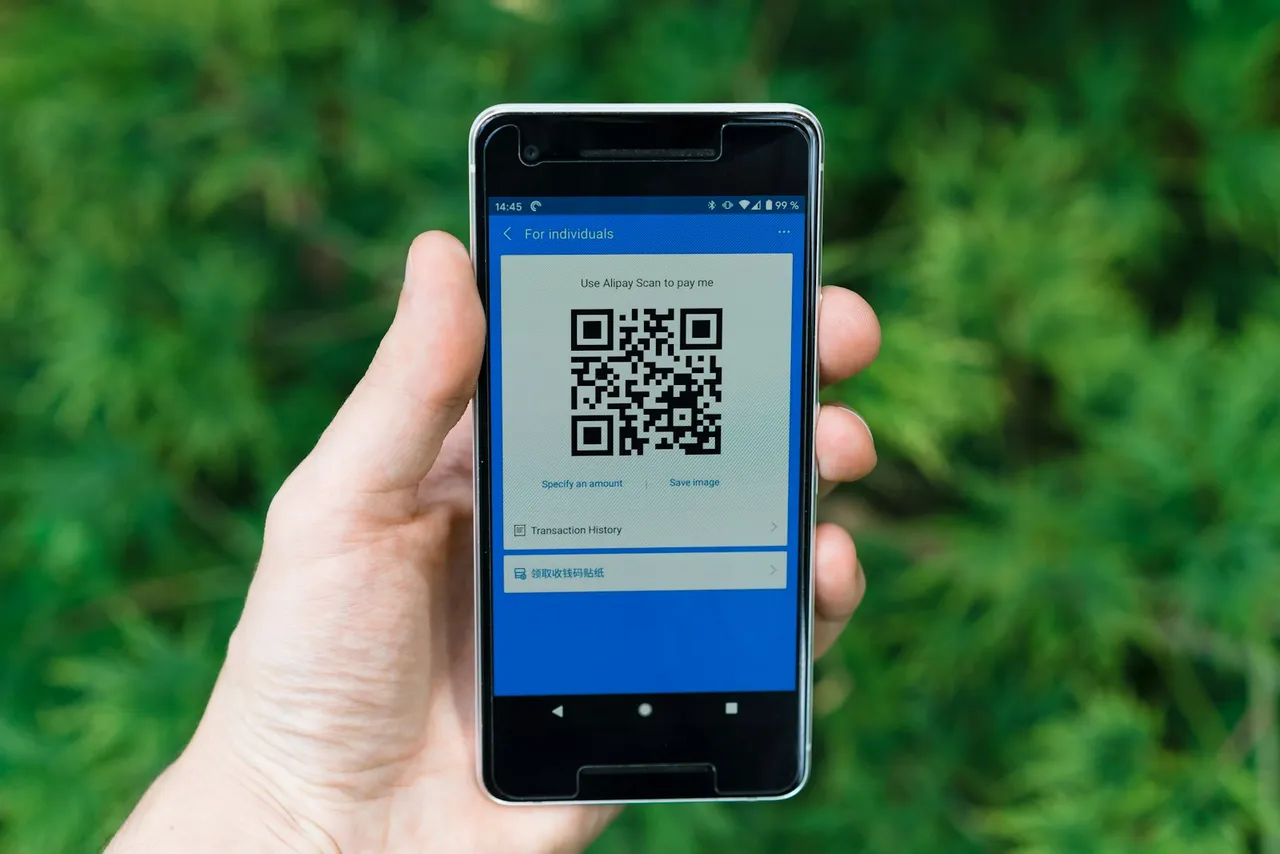
The solution isn't hiring more staff. The solution is by putting the power of ordering and paying directly into the customer's hands. This guide covers the modern ecosystem of QR Ordering and Digital Payments in Thailand.
The Shift to Speed and Efficiency
Thailand is arguably the world leader in mobile banking adoption. If your restaurant still prefers cash only, you are adding friction to the customer experience.
The "PromptPay" Revolution
By 2026, most people no longer carry cash with them. That makes the blue logo of “PromptPay” become essential.
- Over 90% of Thai bank account holders use mobile banking apps (K+ Plus, SCB Easy, etc.).
- Customers expect to scan and pay.
The Labor Crisis
The Thai service industry is facing a labor shortage. Younger generations are moving into freelance work or digital roles, making it harder to find staff.
- Old Model: 1 Waiter covers 4 tables.
- Digital Model: 1 Waiter covers 8 tables due to QR ordering.
It’s Not Just About Hygiene Anymore
In 2021, QR codes were about safety for not touching anything unnecessary. In 2026, QR codes are about Speed. A static PDF menu is no longer enough. You need an interactive system that talks directly to your kitchen.
How a Modern Restaurant Actually Runs
To modernize your restaurant, you need to understand the three layers of the digital stack.
The Interface
The Trap: Many restaurants use a "Static QR." This is just a link to a PDF or a Google Drive folder.
- Pros: Free.
- Cons: Customers still have to call staff to order. Hard to read on mobile. No data collection.
The Solution: "Dynamic QR Ordering"
- The customer scans, selects, adds options, and hits submit.
- The ticket prints directly in the kitchen. No staff interaction required for each transaction.
The Payment Gateway
In Thailand, you cannot rely on just one method. You need all:
- PromptPay: Zero or very low transaction fees. Instant settlement.
- Credit Cards: Visa/Mastercard. Essential for fine dining or large bills where customers want points. Fees range from 2.5% - 3%.
- Digital Wallets: TrueMoney, ShopeePay, LINE Pay. These are often for cashback deals. Integrating these can attract more customers.
The POS Integration
This is where many restaurants stumble.
- Customer pays via QR -> Staff have to manually type "Paid" into the POS. Result: Accounting errors and theft risk.
- Integrated: Customer pays via QR -> POS automatically marks table as "Paid" and closes the check.
- Result: Zero error, instant reconciliation.
Practical Strategies for Thai Restaurants
No matter how much technology you are implementing if your operations don’t change. Here is how to execute correctly in the Thai market.
1. The Upsell Strategy
Digital menus are shameless. A waiter might feel shy asking a customer if they want more orders or not, but a screen doesn’t.
- Logic: If someone orders Som Tum, the system should immediately pop up: "Add Sticky Rice +20 THB?" or "Add Grilled Chicken +80 THB?"
- Result: Thai restaurants using digital upsells can see an Average Ticket Size increase of 15–20%.
2. High-Fidelity "Visual" Menus
Most people "eat with their eyes".
- Don't: Use text-only lists like a western steakhouse.
- Do: Every single item must have a high-quality and appetizing photo. If the photo looks bad, the item hardly sells. Invest in a professional food photographer for one day. It pays for itself in a short time.
3. The Hybrid Service Model
Thailand is an aging society. You will likely have customers who are 60+ and cannot use QR codes well.
- Strategy: Keep 20% of your physical menus available.
- Script: Staff should greet the table: "Would you like to order via mobile for speed, or would you prefer a book menu?"
- Benefit: You can still sell to those who still don’t use QR code for ordering and paying.
4. Solve the Wifi Issue
If you are in a location with a bad signal, your QR system will fail.
- Provide a dedicated "Guest Wifi" that is fast and easy to connect via WiFi QR. If the customer can't load the menu in 3 seconds, they will get frustrated.
Speed vs. Convenience: Choosing the Right Flow
The CBD Lunch Spot
- Problem: A Rice & Curry shop upgraded to a casual dining spot. Between 12:00 and 13:00, they have 50 tables turning over. Customers were waiting 10 minutes just to pay the bill, causing a queue outside.
- Solution: Implemented "Pre-Payment QR Ordering." Customers scan and pay before the food is made.
- Result:
- No bottleneck at the end of the meal.
- Customers finish eating and leave immediately.
- Table turnover increased from 2.5 rounds to 3.5 rounds during lunch peak.
The Izakaya
- Problem: Customers drinking beer want to order "one more bottle" frequently.
- Solution: "Open Tab QR Ordering." The QR code stays active on the table. Customers can add items to their tab continuously without paying each time. Payment happens only at the end.
- Result: Alcohol sales increased by 30% because the friction of re-ordering was completely removed.
Scaling Your Operations Correctly
1. Small Operators: Focus on PromptPay Static QR. You don't need a full ordering system yet. Just ensure payment is instant to keep the line moving.
2. Mid-Sized Operators: Focus on POS Integration. You cannot afford to verify bank transfers manually at the end of the night. It leads to fraud and headaches.
3. Don't Fire Your Staff: This technology is not about replacing humans. It's about repurposing them. Move staff from "Order Takers" to "Experience Makers." Have them refill water, clear plates faster, and ask customers about the taste. This is the Thai hospitality charm that no system could replace.
Connecting Your Menu, Payment, and POS
Executing a real digital transformation is difficult if your systems work separately. This is where Aroi is designed to fit into your existing workflow.
- Seamless POS Integration: Aroi doesn't replace your current setup, it syncs and enhances via Open API. This also means no extra hardware and no double-entry.
- Automated Payment Sync: By connecting your Thai payment gateway to this ecosystem, the "Paid" status syncs across all devices. When the PromptPay transfer is confirmed, the bill closes automatically.
The Evolution of Service
The days of shouting across a crowded restaurant are fading. In 2026, the Thai diner demands speed, convenience, and control together with their dining experience.
By adopting QR ordering and integrated digital payments, you aren't just following a trend. You are increasing your average check size through automated upselling, and freeing up your staff to deliver the warm hospitality that Thailand is famous for.